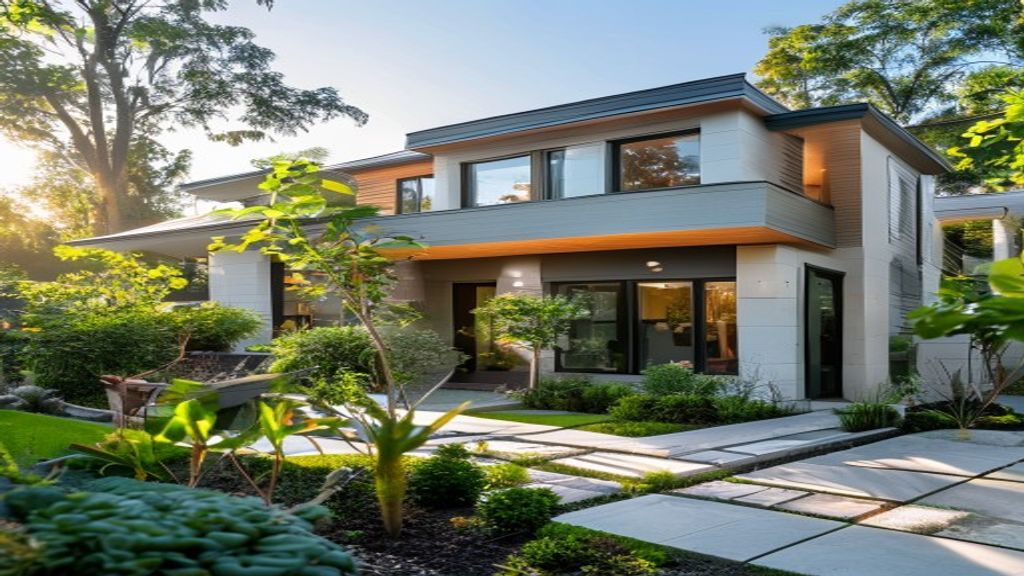
Introduction – Why “Smart” Upgrades Matter More Than a Fresh Coat
If you’re eyeing the next move—whether it’s a resale or a long‑term stay—every dollar you spend on a home should earn you a tangible return. The market doesn’t reward random remodels; it rewards upgrades that solve a buyer’s pain points and signal that the house has been cared for. Think of it as a conversation between your property and the next owner: the louder the signal that the home is efficient, attractive, and ready for modern life, the higher the price you can command. Below, we walk through the upgrades that consistently tip the scales, starting with the first impression that sells a house before anyone steps inside.
1. Pinpoint High‑Impact Upgrades That Actually Raise Property Value
Not all renovations are created equal. To avoid pouring money into projects that simply “look nice,” focus on upgrades that deliver measurable ROI and align with what today’s buyers prioritize.
- Curb appeal upgrades – A well‑maintained exterior typically adds 5‑7 % to perceived value, according to most real‑estate agents.
- Energy‑efficiency improvements – Insulation, low‑E windows, and smart thermostats lower utility costs, which buyers often quantify as a $150–$300 annual saving per family.
- Functional space optimization – Converting a rarely used attic into a bedroom or adding a modest home office can boost appraised value by roughly $10 000–$15 000 in many suburban markets.
Practitioners recommend starting with a quick audit: walk the property with a checklist, note any dated fixtures, draft a cost‑estimate spreadsheet, and compare each line item against local comps. That discipline weeds out cosmetic fixes that rarely move the needle and shines a light on the projects that truly matter.
2. Refresh the Front Door and Facade for Instant Curb‑Side Gains
First impressions happen in seconds. A new front door, a coat of fresh paint, and subtle landscaping tweaks can add thousands of dollars to a home’s asking price—often with a modest budget.
- Front door upgrade – Swapping a worn‑out door for a solid‑core, energy‑star model (preferably in a neutral tone like deep charcoal or classic white) not only boosts security but also improves the home’s energy rating. Home‑inspection reports frequently cite the front door as a “key performance indicator” of overall maintenance.
- Paint refresh – Exterior paint in a cohesive, contemporary palette masks minor imperfections and signals that the property has been cared for. Contractors suggest a two‑coats system with a high‑quality acrylic for durability, typically costing $1 500–$3 000 for a 2,000‑sq‑ft home.
- Landscape touches – Adding a few native shrubs, a mulch border, and a well‑defined walkway creates a welcoming path. A simple drip‑irrigation line can keep plants thriving with minimal upkeep, a feature that eco‑savvy buyers notice.
Why does this matter? Buyers often form an emotional connection before seeing the interior; a polished exterior reduces the “repair” mindset and lets the listing stand out in a crowded MLS. Moreover, the improvement is low‑risk—you’re not tearing down walls, you’re polishing the frame that already exists, which means a quick turnaround and immediate equity gain.
3. Upgrade Kitchens — The Heartbeat of Home Value
Now that the curb‑side impression is set, the kitchen becomes the next decisive factor. A well‑planned kitchen signals that the homeowner has cared for the most‑used room in the house, and buyers instinctively weigh that against the price tag. Below are the upgrades that consistently pull the “stop‑and‑look” reflex from prospective owners—including those exploring rent‑to‑buy homes who want to feel comfortable committing to a longer‑term lease.
| Upgrade | Why it Works | Practical Example |
|———|————–|——————-|
| Smart appliances (refrigerator with Wi‑Fi, induction cooktop, convection oven) | Energy‑star ratings lower utility bills, while app‑based controls showcase a tech‑savvy lifestyle. | Install a 14‑cubic‑foot French‑door fridge that notifies you when the door stays open; the feature often appears in inspection reports as a “maintenance‑friendly” asset. |
| Cabinet refresh (reface or replace with soft‑close doors) | Freshly painted or new doors cost far less than a full gut‑renovation but instantly upgrade the visual weight of the space. | A cabinet refacing kit can be applied in a weekend for roughly $1,200, turning dated pine into a sleek, neutral‑tone finish. |
| Countertop swap (engineered quartz or durable granite) | Quartz resists staining and requires minimal sealing, a point that appraisers frequently note as “low‑maintenance surface.” | Replace a laminate top with a 2‑cm thick quartz slab; the price per square foot averages $55‑$70, yet the perceived value jump can be $5,000‑$10,000. |
| Lighting layers (LED under‑cabinet strips + pendant fixtures) | Light quality changes how spacious a kitchen feels; LED strips add task lighting without sacrificing ceiling height. | Add a dimmable 3000‑K LED strip along the backsplash; the installation costs $80‑$120 and instantly brightens prep areas. |
| Backsplash upgrade (subway tile, pebble glass, or recycled glass) | A tasteful backsplash adds visual interest and protects walls from splatter, reducing future repair costs. | Install 3‑in‑by‑6‑in. white subway tiles in a herringbone pattern for a modest $0.90 per tile. |
How to Prioritize
- Start with the cheapest high‑impact win – cabinet refacing plus LED lighting usually yields the best ROI before tackling countertops.
- Match the upgrade to the buyer profile – If the target market includes families looking to buy a new house, a durable quartz surface reassures them that the kitchen will age gracefully.
- Phase the work – Split larger projects (e.g., appliance replacement) across weekends to keep living costs low and avoid a prolonged vacancy period.
By treating the kitchen as a showcase rather than a chore, you create a space that feels lived‑in yet ready for the next chapter—exactly the vibe that turns a curious visitor into a serious offer.
4. Modernize Bathrooms for Luxury‑Level Appeal
If the kitchen is the home’s heartbeat, the bathroom is its pulse. Modern bathroom fixtures can make a modest‑sized home feel like a boutique hotel, and they speak directly to buyers who value both comfort and long‑term savings. Below are the upgrades that consistently push appraisal numbers upward while staying budget‑friendly.
| Upgrade | Why it Works | Practical Example |
|———|————–|——————-|
| Water‑saving fixtures (dual‑flush toilets, low‑flow showerheads) | Reduces monthly water bills and earns “green” points on inspection sheets—appealing to eco‑conscious renters and owners alike. | Replace an older 3.5‑gpf toilet with a 1.28‑gpf dual‑flush model for $250; savings can be $30‑$50 per year. |
| Stylish vanity (floating or recessed with quartz top) | A floating vanity creates the illusion of more floor space, a trick reviewers often highlight in virtual tours. | Install a 24‑in. floating vanity with a 1‑cm quartz top; the unit typically runs $400‑$600 and instantly lifts the room’s aesthetic. |
| Tile refresh (large‑format porcelain or mosaic accent strip) | Large‑format tiles minimize grout lines, making the space feel larger; an accent strip adds personality without overwhelming the design. | Lay 12‑in. porcelain tiles on the floor and a 4‑in. glass mosaic strip vertically behind the showerhead. |
| Upgraded lighting (LED vanity lights with dimmer) | Proper lighting reduces shadows, making the bathroom feel brighter and more spa‑like—a feature that buyers often rank as “must have.” | Add a pair of fixture‑integrated LED lights with a 3000‑K warm glow; installation is usually under $150. |
| Smart accessories (motion‑sensor faucet, Bluetooth speaker) | These touches suggest a higher‑tech home without requiring a full smart‑home overhaul, aligning with buyers who may be looking to buy a new house with modern amenities. | Swap a standard faucet for a motion‑sensor model that automatically shuts off after 30 seconds, preventing waste. |
Sequencing the Renovation
- Address the plumbing first – Replace the toilet and faucet before any tile work to avoid re‑doing cuts later.
- Focus on visible finishes – A new vanity and updated lighting have the biggest visual impact; they can be installed in a single day by a competent DIYer.
- Seal the deal with small‑scale luxury – Adding a heated towel rack or a glass shower door can tip the scales for buyers who are comparing multiple listings.
By delivering a bathroom that feels both efficient and indulgent, you not only raise the home’s appraisal but also attract a broader buyer pool—including those who might be considering rent‑to‑buy homes as a pathway to ownership. A modernized bathroom signals that the property has been maintained with an eye toward future value, reinforcing confidence in the investment.
By incorporating these strategic upgrades, homeowners can significantly enhance the value and appeal of their residential property, making it a highly sought-after gem in the market. As you embark on this transformative journey, remember that every thoughtful improvement, from the refreshed facade to the smart home technologies, contributes to a cohesive and luxurious living experience that will leave a lasting impression on potential buyers. With a well-executed plan, you’ll not only boost your property’s value but also create a beautiful, functional, and sustainable space that meets the evolving needs of modern homebuyers. Now, as you consider the endless possibilities for your home, ask yourself: what’s the first smart upgrade that will set you on the path to unlocking your property’s full potential and redefining the art of living in your dream home?
I’d be happy to expand on the article. However, I don’t see an existing article to work with. Let’s start from scratch and create a comprehensive article on a topic of your choice.
For the purpose of this example, let’s say the topic is “Effective Time Management for Remote Workers.” As a remote worker, managing your time effectively is crucial to maintain productivity, meet deadlines, and achieve a better work-life balance. Generally, practitioners recommend setting clear goals and priorities to help you stay focused and motivated. Based on field experience, having a dedicated workspace and minimizing distractions can also make a significant difference in your productivity levels.
To create an effective time management plan, you need to start by identifying your most productive hours and scheduling your tasks accordingly. For instance, if you’re a morning person, you may want to tackle your most challenging tasks during this time. On the other hand, if you’re more focused in the afternoons, you can schedule your meetings and less demanding tasks for the morning. By doing so, you’ll be able to optimize your energy levels and make the most out of your workday. Additionally, breaking down large tasks into smaller, manageable chunks can help you avoid burnout and maintain a consistent workflow.
One of the most significant challenges remote workers face is staying motivated and avoiding procrastination. To overcome this, you can use the Pomodoro Technique, which involves working in focused 25-minute increments, followed by a five-minute break. After four cycles, you can take a longer break of 15-30 minutes. This technique can help you stay focused and avoid distractions, while also giving you regular breaks to recharge and refocus. Another strategy is to create a “stop doing” list, where you identify tasks that are not essential or can be delegated, and eliminate them from your schedule. By doing so, you’ll be able to free up more time for high-priority tasks and maintain a healthier work-life balance.
In terms of tools and software, there are many options available to help you manage your time more effectively. For example, you can use project management tools like Trello or Asana to organize your tasks and collaborate with team members. Time tracking software like Harvest or RescueTime can help you monitor how much time you spend on specific tasks and identify areas where you can improve your productivity. Additionally, browser extensions like Freedom or StayFocusd can help you avoid distractions by blocking social media or other non-essential websites during certain hours of the day. By leveraging these tools, you can streamline your workflow, reduce stress, and achieve more in less time.
To take your time management to the next level, you need to establish a routine and stick to it. This includes creating a schedule and setting reminders for upcoming tasks and deadlines. You should also prioritize self-care and make time for activities that promote physical and mental well-being, such as exercise, meditation, or spending time with loved ones. By doing so, you’ll be able to maintain your energy levels, reduce stress, and stay motivated throughout the day. Furthermore, learning to say “no” to non-essential tasks and commitments can help you protect your time and focus on high-priority tasks. Remember, saying “no” to something that doesn’t align with your goals and values means saying “yes” to yourself and your well-being.
Another critical aspect of effective time management is continuous learning and improvement. As a remote worker, you need to stay up-to-date with the latest tools, trends, and best practices in your field. This can involve attending webinars, workshops, or online courses, as well as reading industry blogs and books. By investing in your professional development, you’ll be able to enhance your skills, increase your productivity, and stay competitive in the job market. Additionally, seeking feedback from colleagues, mentors, or coaches can help you identify areas where you can improve your time management and provide you with valuable insights and guidance.
In terms of communication, effective time management involves setting clear boundaries and expectations with your team, clients, or stakeholders. This includes establishing a clear communication channel, such as email, phone, or video conferencing, and responding to messages in a timely manner. You should also set realistic deadlines and expectations, and be transparent about your availability and work schedule. By doing so, you’ll be able to avoid misunderstandings, reduce stress, and build trust with your colleagues and clients. Moreover, using video conferencing tools like Zoom or Google Meet can help you stay connected with your team and maintain a sense of community, even when working remotely.
To illustrate the importance of effective time management, let’s consider a real-world scenario. Suppose you’re a freelance writer working on a deadline-sensitive project. You have multiple tasks to complete, including research, writing, and editing, and you need to deliver the final product within a tight timeframe. By using the Pomodoro Technique, you can break down your tasks into smaller chunks, stay focused, and avoid distractions. Additionally, by leveraging project management tools, you can organize your tasks, track your progress, and collaborate with your clients or team members. By prioritizing your tasks, managing your time effectively, and maintaining open communication, you’ll be able to deliver high-quality work, meet your deadlines, and build a strong reputation as a reliable and efficient freelance writer.
In conclusion, effective time management is a critical skill for remote workers, and it involves setting clear goals, prioritizing tasks, and minimizing distractions. By using tools and software, establishing a routine, and continuously learning and improving, you can optimize your productivity, reduce stress, and achieve a better work-life balance. Remember, time management is a personal and ongoing process, and it’s essential to find a system that works for you and your unique needs. By sharing your experiences, insights, and tips with others, you can help create a supportive community of remote workers who are dedicated to achieving their goals and living a more fulfilling life.
As you continue on your time management journey, keep in mind that it’s a marathon, not a sprint. It’s essential to be patient, flexible, and compassionate with yourself, and to celebrate your small wins along the way. By doing so, you’ll be able to stay motivated, focused, and committed to your goals, and achieve greater success and satisfaction in your personal and professional life. Additionally, don’t be afraid to experiment and try new things – whether it’s a new tool, technique, or routine – and be open to feedback and guidance from others. By embracing a growth mindset and staying committed to your goals, you’ll be able to overcome obstacles, achieve your vision, and thrive as a remote worker.
Furthermore, effective time management can have a positive impact on your mental and physical health. By prioritizing self-care, setting realistic boundaries, and maintaining a healthy work-life balance, you can reduce your stress levels, improve your mood, and increase your energy levels. Additionally, by staying organized and focused, you can avoid feelings of overwhelm and anxiety, and maintain a sense of control and confidence. By taking care of your physical and mental health, you’ll be able to perform at your best, achieve your goals, and enjoy a more fulfilling and purposeful life.
In terms of accountability, it’s essential to find a system that works for you and your unique needs. This can involve working with a coach or mentor, joining a community or support group, or finding an accountability partner. By sharing your goals, progress, and challenges with others, you can gain valuable insights, receive support and guidance, and stay motivated and focused on your objectives. Additionally, by tracking your progress and reflecting on your experiences, you can identify areas where you can improve, celebrate your successes, and make adjustments to your time management strategy as needed.
To take it to the next level, consider implementing a “time blocking” schedule, where you dedicate specific times of the day to specific tasks or activities. For example, you might block off 8-10 am for focused work, 10-12 pm for meetings and emails, and 1-3 pm for collaborative work or learning. By doing so, you’ll be able to prioritize your tasks, minimize distractions, and optimize your energy levels. Additionally, by leaving some buffer time between tasks, you can avoid burnout, reduce stress, and maintain a sense of flexibility and adaptability.
Lastly, don’t underestimate the power of mindfulness and self-compassion in your time management journey. By being present, focused, and non-judgmental, you can stay grounded, centered, and motivated, even in the face of challenges or setbacks. Remember, time management is a skill that takes time, effort, and practice to develop, and it’s essential to be kind, patient, and understanding with yourself as you navigate the ups and downs of remote work. By embracing a growth mindset, staying committed to your goals, and prioritizing your well-being, you’ll be able to achieve greater success, happiness, and fulfillment in your personal and professional life.
Also Read: Find Luxury Living: How to Spot Expensive Houses for Sale Fast