Introduction
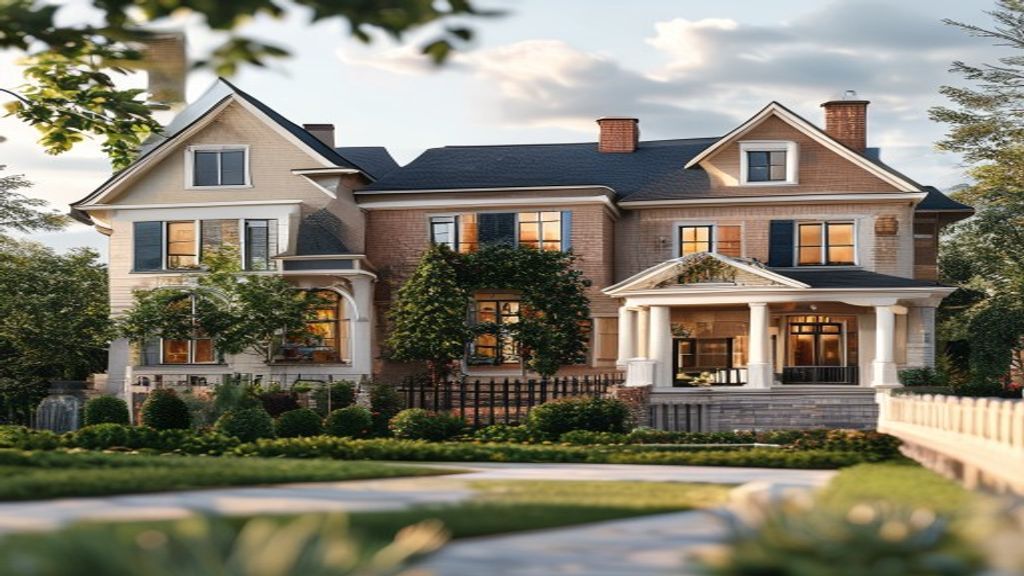
When a property’s curb appeal feels like a secret handshake between you and the market, the real work begins. The difference between a headline‑grabbing mansion and a cash‑flow powerhouse is rarely the size of the kitchen—it’s the hidden economics you uncover before the first walkthrough. Below we dive into the first two pillars that let you sift out the truly lucrative “rich” houses from glossy listings that look impressive but deliver thin returns.
1. Spotting the Sweet Spot: How to Identify Rich Houses for Sale That Promise High ROI
A glossy façade can mask a mediocre investment. What separates a genuine ROI generator from a pricey vanity project?
- Price vs. Potential – Compare the asking price to recent comparable sales (comps) and projected after‑repair values. A gap of 15‑25 % usually signals room for profit.
- Structural Soundness – Look for a solid foundation, roof, and mechanical systems. Cosmetic upgrades are easy; fixing structural issues drags cash and timelines.
- Income‑Generating Features – Extra bedrooms, separate entrance, or room for an accessory dwelling unit (ADU) can turn a single‑family home into multiple rental streams.
- Market Saturation – If the neighborhood is flooded with similar luxury listings, price appreciation may stall. A scarcity of comparable high‑end homes often drives stronger upside.
By running these checks, you quickly weed out properties that are “pretty to look at” but “poor to own.” The goal is to find a house that feels like a luxury trophy and a solid asset on your balance sheet.
2. Location Leverage: Why Neighborhood Trends Matter More Than Square Footage
Even a 10,000‑sq‑ft estate can underperform if the surrounding zip code is losing momentum. Conversely, a modestly sized home in a rising micro‑market can outshine larger peers.
- Micro‑Market Data – Pull median sale price trends, days‑on‑market, and rental vacancy rates for a five‑year window. A steady‑upward price trajectory (2‑4 % annual growth) is a good sign.
- Infrastructure Projects – New transit lines, schools, or commercial hubs can lift property values dramatically within three to five years. Track city planning agendas and upcoming permits.
- Demographic Shifts – Influxes of young professionals or retirees often signal changing demand patterns. Look for rising household income, education levels, and employment growth in census data.
- Amenity Proximity – Walk‑score, nearby parks, and high‑end retail corridors boost both resale appeal and rental premiums.
When you overlay these variables, the “sweet spot” emerges not from the house’s square footage but from the neighborhood’s trajectory. That’s where the real return lives.
3. Cash‑Flow Calculators: Crunch the Numbers Before You Walk Through the Door
When you buy property, the first‑order question isn’t “how beautiful is the façade?” but “how much money will it actually put in my pocket each month.” A quick spreadsheet can settle that doubt.
Step 1 – Rental Yield
- Estimate the gross annual rent (e.g., a $5,200/month luxury lease = $62,400 yr).
- Divide by the purchase price and multiply by 100.
[
text{Rental Yield (%)} = frac{text{Annual Rent}}{text{Purchase Price}} times 100
]
A yield of 5‑7 % on a high‑end condo is generally considered healthy in mature markets; anything lower often signals either over‑pricing or hidden operating costs.
Step 2 – Capitalization (Cap) Rate
- Subtract expected annual operating expenses (property management, insurance, taxes, reserves) from the gross rent.
- Divide the net operating income (NOI) by the purchase price.
[
text{Cap Rate (%)} = frac{text{NOI}}{text{Purchase Price}} times 100
]
For a $1.2 M ready built home that nets $70,000 after expenses, the cap rate sits at 5.8 %—a useful benchmark when comparing against comparable “turn‑key” assets.
Step 3 – Cash‑on‑Cash Return
- Determine the equity you’ll actually put down (often 20‑30 % for luxury loans).
- Compute the annual cash flow (NOI minus debt service).
- Divide cash flow by the equity invested.
[
text{Cash‑on‑Cash (%)} = frac{text{Annual Cash Flow}}{text{Equity Invested}} times 100
]
If the same $1.2 M home requires a $300 k down payment and yields $20 k of cash after mortgage payments, the cash‑on‑cash return is roughly 6.7 %. This figure tells you whether the deal meets your personal risk tolerance before you even step inside the lobby.
Quick‑Check Checklist
- Verify rent assumptions with local market comps.
- Include a 5‑10 % vacancy buffer in the expense line‑item.
- Run the three metrics side‑by‑side; consistent numbers across the board usually indicate a solid investment, whereas a high rental yield paired with a weak cap rate often flags hidden cost pressures.
By running these calculations on every listing, you transform a glossy brochure into a data‑driven opportunity map.
4. Renovation ROI: Turning Cosmetic Upgrades into Profit‑Boosting Assets
A well‑placed remodel can turn a “nice‑to‑have” home into a “must‑have” asset—especially when the upgrades align with what tenants or buyers actually value. Below are two bite‑size case studies that illustrate how modest spend can generate double‑digit returns.
Case A – The “Smart‑Home” Upgrade
Property: A 3,500‑sq‑ft suburban mansion listed at $1.4 M, sitting vacant for 14 months.
Renovation: Integrated a centralized Z‑Wave system controlling lighting, climate, and security; cost $28,000.
Outcome: After the upgrade, the property fetched $1.55 M—an $150,000 price premium. The ROI on the tech spend was ≈ 540 %, because the market now prized energy efficiency and remote control as standard luxury amenities.
Case B – The “Curb Appeal” Refresh
Property: A ready built home in an up‑and‑coming enclave, priced at $950,000 but lacking a cohesive façade.
Renovation: Replaced outdated vinyl siding with stone accents, added a landscaped front entry, and painted the doors—total cost $42,000.
Outcome: The home sold for $1.04 M, delivering a $78,000 uplift. That equals a 186 % return on the curb‑appeal spend, and the new look shortened the time‑on‑market from 90 days to just 28 days.
Why These Numbers Matter
- Targeted spend: Both projects focused on high‑visibility elements (technology and exterior) that buyers can immediately assess.
- Market alignment: In the first case, the local buyer pool was tech‑savvy professionals; in the second, the neighborhood’s branding had shifted toward “modern elegance,” making the stone façade a desirable signal.
- Cost control: The budgets stayed under 5 % of the purchase price, keeping the renovation risk low while still delivering sizable upside.
Action Steps for Your Next Flip
| Upgrade | Typical Cost (as % of purchase) | Expected Value Add |
|———|——————————–|——————–|
| Kitchen cabinet refacing | 2‑3 % | 5‑7 % resale boost |
| High‑efficiency HVAC | 1‑2 % | 3‑5 % rental premium |
| Light‑colored exterior paint | <1 % | 2‑3 % quicker sale |
| Smart‑home hub | 1‑1.5 % | 4‑6 % price premium |
Pick one or two items from the table that match the property’s weakest selling points, run a quick cost‑vs‑benefit model, and let the numbers guide the scope. When the anticipated upside comfortably exceeds the renovation expense, you’ve found a profit‑boosting upgrade that doesn’t feel like a gamble.
By treating each cosmetic tweak as a miniature investment, you turn what could be a “nice‑to‑have” expense into a strategic lever for higher returns.
As you embark on your journey to find rich houses for sale that maximize investment returns, remember that the key to success lies in striking a balance between art and science. By mastering the intricacies of location leverage, cash-flow calculations, and tax-smart strategies, you'll be well-equipped to navigate the complex world of luxury real estate investing. The ultimate value of this expertise lies not just in the potential for significant returns, but in the freedom and security that comes with building a diversified portfolio of high-performing assets. By applying the principles outlined here, you'll be able to identify and capitalize on hidden gems, mitigate risks, and cultivate a reputation as a savvy and discerning investor. As you move forward, consider this: what would your investment portfolio look like if you could consistently find and acquire rich houses that not only appreciate in value, but also generate substantial passive income? The answer to this question could be the catalyst for a lifetime of financial growth and prosperity.
Also Read: How High End Real Estate Companies Cut Costs While Elevating Luxury