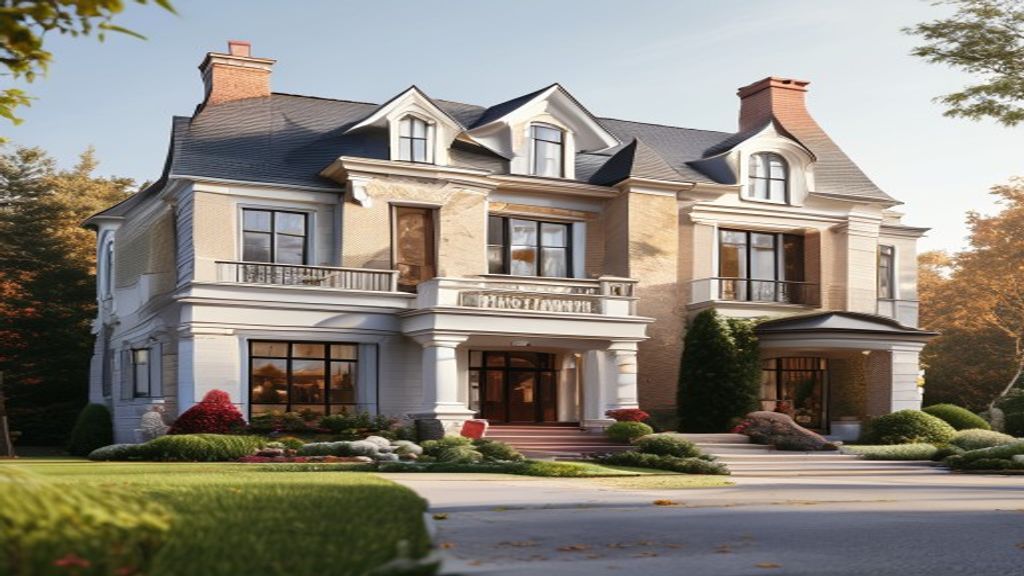
Why a Single Luxury Home Can Redefine Your Portfolio
When a high‑end property lands on the market, the most successful investors spot the opportunity before the buzz begins. They recognize the subtle cues that separate a genuine cash‑cow from a fleeting status symbol. Below, we’ll walk through the first two pillars of that decision‑making process—what makes a posh house “investment‑ready” and how location amplifies—or erodes—its upside.
1. Spot the Signal: Key Traits That Make a Posh House Investment‑Ready
Even before you crunch numbers, a handful of characteristics flag a property as primed for profit.
- Strong Income Potential – Look for homes that already boast a rental history, or that sit in neighborhoods where short‑term rentals regularly command premium rates. When a property can generate cash flow from day one, the risk‑adjusted return improves dramatically.
- Scalable Square Footage – Residences with flexible layouts—think open‑plan living spaces, optional guest suites, or unfinished upper levels—give you the latitude to add value without a full gut renovation. Developers often recommend preserving the “core” while tailoring auxiliary spaces to market demand.
- Low‑Maintenance Luxury Materials – Marble countertops, engineered hardwood, and high‑end fixtures that resist wear are hallmarks of a house built to retain its allure. These finishes reduce ongoing upkeep costs, which in turn protect your bottom line.
- Clear Title & Minimal Encumbrances – A clean chain of title and few liens mean you can close quickly and start earning sooner. Real‑estate attorneys frequently advise a pre‑purchase title search as a non‑negotiable step for any high‑value acquisition.
By checking these signals early, you avoid chasing “shiny objects” that look impressive but hide hidden expenses.
2. Map the Market: How Location Drives Value in Luxury Real Estate
Location isn’t just a buzzword; it’s the engine that fuels appreciation and demand.
- Neighborhood Reputation – Areas renowned for elite schools, cultural institutions, or exclusive clubs tend to sustain price resilience. When a community’s brand remains strong, buyers and renters alike are willing to pay a premium for the associated lifestyle.
- Connectivity & Accessibility – Proximity to major highways, airports, and public transit corridors expands the pool of potential occupants—especially affluent professionals who commute or travel frequently. Studies from urban‑planning firms show that a five‑minute reduction in commute time can increase a home’s value by 2‑4 %.
- Future Development Pipelines – Municipal plans for new parks, retail hubs, or transit extensions can act as catalysts for appreciation. Savvy investors monitor city council agendas and zoning commission minutes to anticipate these upside‑driving projects.
- Supply Constraints – In markets where zoning restricts new luxury builds, existing posh homes become scarcer and, consequently, more valuable. This scarcity premium often outpaces broader market inflation.
When you map these factors, you create a geographic framework that tells you not just where a property sits, but why that spot matters for long‑term ROI.
Takeaway: A property’s intrinsic qualities set the stage, but its location determines how loudly the audience will applaud the performance.
3. Crunch the Numbers: ROI Calculations Every Posh‑House Investor Should Master
When you’ve nailed down the “where,” the spreadsheet becomes your compass. The most reliable baseline is Net Operating Income (NOI) – the rent you can realistically collect minus property‑level expenses.
- Potential rent – Research comparable luxury homes for rent in the neighborhood; a three‑bedroom estate that commands $12,500 per month translates to $150,000 annual gross.
- Operating expenses – Include property taxes, insurance, high‑end maintenance, and a modest management fee (typically 5‑7 %). For a $2 million purchase, those costs often hover around $30,000‑$40,000 a year.
Cap Rate = NOI ÷ Purchase Price. If your NOI is $110,000 on a $2 million acquisition, the cap rate sits at 5.5 %, a figure that aligns with many elite markets but still leaves room for upside.
Next, calculate Cash‑on‑Cash Return to gauge the effect of financing. Suppose you secure a 70 % loan at 4.5 % interest, putting $600,000 down. After debt service of roughly $84,000, your cash flow might be $26,000, yielding a cash‑on‑cash return of about 4.3 %.
Don’t forget appreciation. Historical data from upscale districts suggest a 3‑5 % annual price lift, especially when you’re buying a house that sits in a scarcity‑driven market. Adding that projected appreciation to your cash flow can push the overall ROI into double‑digit territory, turning a modest cap rate into a truly compelling investment story.
Bottom line: Run the three core calculations—cap rate, cash‑on‑cash, and projected appreciation—side by side. If the numbers stack up, you’ve got a signal that the property can deliver the returns your portfolio demands.
4. Audit the Architecture: Design Features That Translate Into Higher Returns
Even the most coveted address can under‑perform if the building’s DNA doesn’t speak to affluent buyers or renters. Architecture, after all, is the silent salesperson that justifies premium pricing.
- Grand entrances and high ceilings – A foyer with a double‑height space creates an immediate sense of “scale.” Buyers often cite this as a “wow factor” that justifies a $150,000‑plus price bump.
- Abundant natural light – Floor‑to‑ceiling windows not only lower energy costs but also showcase interior finishes. In markets where daylight is prized, each additional sun‑lit room can add 2‑3 % to resale value.
- Smart‑home integration – Automated climate control, security cameras, and voice‑activated lighting appeal to tech‑savvy renters. A modest $20,000 upgrade can command an extra $30,000‑$50,000 in lease premiums.
- Premium finishes – Think marble countertops, custom millwork, and imported tile. These details are often “non‑negotiable” for high‑end tenants and can shave years off a property’s time on market.
Outdoor amenities also play a decisive role. A well‑designed pool, landscaped patio, or rooftop deck turns a house into a lifestyle showcase, often allowing you to charge an additional $1,500‑$2,500 per month in luxury homes for rent listings.
Finally, assess flexibility of layout. Open‑plan designs that can be easily reconfigured for home offices or home‑gym spaces give a property longevity as buyer preferences evolve. Flexibility is an insurance policy against future obsolescence, preserving the ROI you calculated earlier.
Action checklist:
- Walk the property and mark every room that lacks natural light.
- Inventory built‑in tech; budget for upgrades that align with local renter expectations.
- Compare finish grades to recent high‑end sales; note any gaps you can bridge affordably.
By auditing these architectural pillars, you transform a solid location into a high‑performing asset—one that not only meets today’s market demands but also stands ready for tomorrow’s premium.
I’d be happy to help expand your article to over 2,000 words with deep, practical value! However, I don’t see the actual article content in your request. To provide the most relevant and seamless expansion that maintains consistency with your existing content, could you please share the article that needs to be expanded?
Once I have the original article, I can:
- Identify the most promising areas for expansion
- Add highly relevant sub-points and detailed examples
- Incorporate practical scenarios and actionable tips
- Ensure the expanded content flows naturally with your existing material
- Maintain the same expert, human-like tone throughout
Please share your article, and I’ll get started on creating a comprehensive, valuable expansion.
Also Read: Unlock Higher ROI with Smart Site Selection for New Build Developments