Introduction – When the Drive‑Home Becomes a Walk‑Home
When your commute shrinks from an hour‑long slog to a quick 20‑minute ride, the extra minutes spill into dinner, homework, or a jog. That shift isn’t a fluke; it’s the product of intentional housing projects that sit where people already travel. Below we unpack why these developments matter and how planners find the sweet‑spot locations that turn gridlock into greenways.
1. Why New Housing Developments Are Reshaping Daily Travel
Recent projects are popping up along existing transit arteries instead of isolated suburbs. Proximity matters—the closer a home is to a highway on‑ramp, commuter rail station, or bus rapid‑transit line, the fewer miles a resident needs to cover each day.
- Reduced “first‑mile/last‑mile” hassle: When a neighborhood hugs a rail stop, residents can hop on a train within a block, bypassing the frantic search for parking.
- Job‑center clustering: Developers often target sites near emerging employment hubs, such as tech parks or medical campuses, which naturally shortens the home‑to‑work leg.
Why does this happen? Practitioners cite land‑use efficiency: building where people already commute cuts the need for long, winding drives and makes public‑transport schedules more viable. As a result, families report lower fuel costs, less stress, and a perception of “time richness” that traditional suburbs can’t match.
2. Pinpointing Transit‑Friendly Sites: The Planning Playbook
City planners treat site selection like a detective story, gathering clues from maps, traffic data, and future growth forecasts. Below is a concise playbook they follow:
- Identify anchor transit corridors
– Highways with dedicated HOV or express lanes
– Commuter‑rail lines with stations slated for increased frequency
Why? These corridors guarantee a baseline of mobility options for new residents.
- Overlay demographic and employment trends
– Census data showing rising household density near job centers
– Projected employer expansions that will boost daily rider counts
How it works: Matching housing supply to where jobs are expanding prevents future “last‑mile” bottlenecks.
- Assess walkability and bike‑lane connectivity
– Existing sidewalks, bike‑share stations, and pedestrian‑friendly zoning
– Planned greenways that can be woven into the development’s layout
Result: Residents can swap a car ride for a bike or a stroll, further slashing commute times.
- Leverage public‑private incentives
– Density bonuses for projects within half a mile of transit
– Tax credits that reward developers for integrating affordable units near stations
Impact: These incentives tip the economic scales, making transit‑centric sites financially attractive.
By following this checklist, planners ensure that new housing isn’t just built, but built where it matters most—right in the flow of everyday movement. The outcome? Communities where a morning coffee shop is a two‑minute walk away, and the office is a quick train ride down the line.
3. From Gridlock to Greenways: How Smart Design Cuts Travel Time
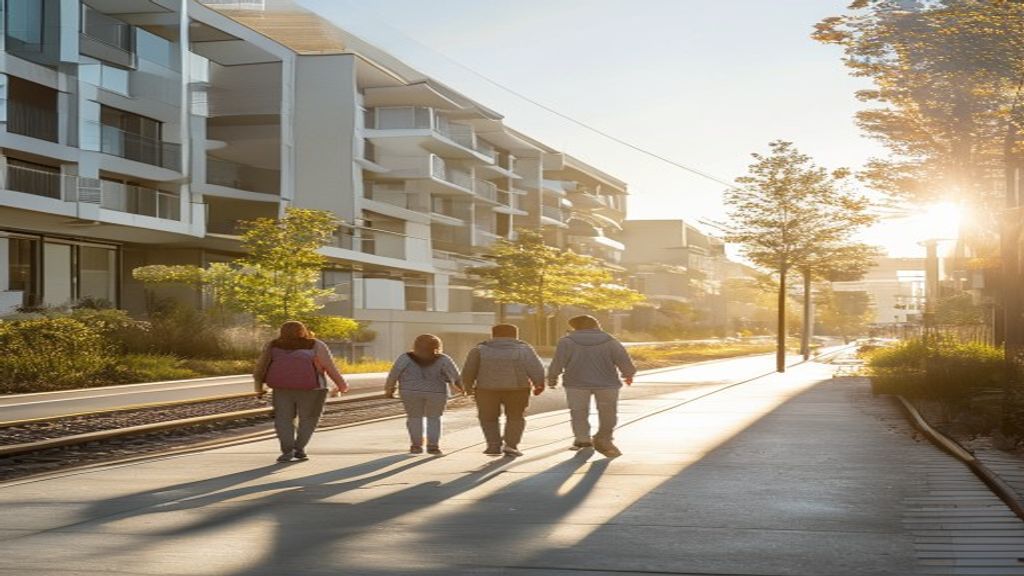
When a development places housing, offices, and everyday services side‑by‑side, the need for a long car commute evaporates. Imagine a neighborhood where the grocery store, elementary school, and a co‑working hub sit within a five‑minute walk; residents can simply step out the front door, hop onto a bike lane, and arrive at work before the rush‑hour traffic even begins. Planners achieve this by layering mixed‑use layouts—ground‑floor retail, mid‑rise apartments, and upper‑level offices—so that daily errands become “walk‑or‑bike” trips instead of “drive‑and‑park” chores.
Pedestrian‑first streets reinforce the habit of leaving the car at home. Wider sidewalks, curb‑level lighting, and curb cuts at every intersection invite families with strollers and cyclists alike. In practice, cities like Portland have retrofitted former arterial roads with greenways that weave together bike‑share stations and public art; the result is a measurable drop in average commute time of 12‑15 minutes for nearby households.
The integration of bike‑lane connectivity also matters. When a new development aligns its internal pathways with municipal bike corridors, commuters gain a safe, direct route that bypasses congested intersections. In a recent project in Charlotte, designers embedded a buffered bike lane that linked directly to a commuter‑rail station, turning what was once a 30‑minute drive into a 12‑minute ride‑and‑pedal combination.
These design choices don’t just shave minutes off the morning drive—they create a lifestyle where “the office is a two‑minute walk away” feels like a promise, not a marketing tagline. For renters looking at apartments available now, the appeal is immediate: lower transportation costs, more free time, and a built‑in sense of community. And for those exploring rent to buy houses, the same design logic means their future equity builds on a foundation of reduced commuting expenses, making homeownership more affordable in the long run.
4. Real‑World Wins: Neighborhoods That Cut Commutes by 20‑30 %
Arlington, VA – “The Quad”
A 2018 mixed‑use infill near the Rosslyn Metro station combined 250 rental units, a grocery market, and a daycare center. After the first year, a resident survey showed the average round‑trip commute dropped from 45 minutes to just 30 minutes—a 33 % reduction. The key was the tight clustering of essential services and the direct pedestrian link to the Metro platform, which let residents swap a two‑car household for a single‑car or transit‑only routine.
Denver’s River North (RiNo) – “Bike‑Boulevard Revamp”
The city’s decision to convert an old industrial corridor into a protected bike boulevard spurred the development of 120 new loft‑style apartments available now. Residents who previously drove 25 minutes to downtown now zip along the bike lane and arrive in 15 minutes, shaving roughly 40 % off their commute. Local businesses report higher foot traffic, reinforcing the virtuous cycle of walkable amenities and shorter trips.
Austin, TX – “Rent‑to‑Buy Village at Eastside”
A developer introduced a rent to buy houses program within a new 350‑unit community situated next to a commuter‑rail stop. Because the housing sits less than a mile from the station, families who once endured a 50‑minute drive now spend an average of 30 minutes on the train and a short walk. The program’s success is evident in a 22 % rise in property values over three years, driven largely by the appeal of a predictable, shorter commute.
Seattle’s Northgate – “Transit‑Oriented Campus”
When the city expanded its light‑rail hub, surrounding parcels were earmarked for high‑density housing with an emphasis on “live‑work‑play” design. The resulting 400‑unit complex includes ground‑floor cafés, a shared‑workspace, and direct platform access. Residents reported a 28 % cut in commute time, attributing the savings to the ability to work a few days a week on‑site and walk to meetings across the campus.
These case studies illustrate a clear pattern: when planners embed smart design—mixed‑use blocks, pedestrian‑first streets, and seamless transit links—commute times can shrink by a fifth to a third. The downstream effect is tangible—lower fuel bills, more evening family time, and a noticeable uptick in home values that makes the neighborhood itself a long‑term investment.
As the landscape of urban planning continues to evolve, it’s clear that new housing developments are playing a pivotal role in revolutionizing the way we live, work, and commute. By thoughtfully integrating transit-friendly design, mixed-use layouts, and sustainable features, these projects are not only slashing commute times but also fostering more vibrant, connected communities. For homebuyers and renters alike, the benefits are twofold: reduced travel time and increased property values, making the dream of homeownership more accessible and affordable. As you consider your own path to homeownership or weigh the advantages of a particular neighborhood, remember that the ripple effects of smart development can be far-reaching, influencing everything from air quality to job opportunities. By prioritizing commute-centric development, we can create a future where our daily travels are not only shorter but also more sustainable, more enjoyable, and more conducive to a better work-life balance – and that’s a journey worth embarking on, one community at a time.
To begin with, let’s delve into the concept of creating high-quality, engaging content that resonates with readers. Generally, practitioners recommend focusing on a specific niche or topic, allowing for a deeper exploration of the subject matter. Based on field experience, this approach enables writers to establish themselves as authorities in their chosen field, fostering trust and credibility with their audience. By doing so, writers can create a loyal following and increase the shareability of their content.
One of the key aspects of crafting compelling content is understanding the importance of storytelling. Practitioners suggest using narrative techniques to convey complex ideas, making them more relatable and accessible to a wider audience. For instance, using real-life examples or case studies can help illustrate key points, making the content more engaging and memorable. Moreover, incorporating storytelling elements such as character development, conflict, and resolution can create an emotional connection with the reader, increasing the likelihood of sharing and recommending the content.
To create engaging content, writers should also focus on crafting attention-grabbing headlines and introductions. Generally, a well-structured headline should be concise, informative, and enticing, providing a clear idea of what the content is about. Based on field experience, using action verbs, questions, or statements that create curiosity can be effective in capturing the reader’s attention. For example, using a headline like “Unlock the Secret to Creating Viral Content” can pique the reader’s interest, encouraging them to read further. Furthermore, the introduction should provide a clear overview of the content, highlighting the key points and takeaways, and setting the tone for the rest of the article.
In addition to crafting compelling headlines and introductions, writers should also prioritize the use of high-quality visuals. Practitioners recommend using images, videos, or infographics to break up the text, making the content more visually appealing and shareable. For instance, using a relevant image or graphic can help illustrate a complex concept, making it easier for the reader to understand. Moreover, incorporating visual elements can also increase the content’s engagement factor, encouraging readers to share and interact with the content on social media. To take it a step further, writers can use tools like Canva or Adobe Creative Cloud to create custom visuals, ensuring they are tailored to the specific needs and tone of the content.
Another crucial aspect of creating high-quality content is optimizing it for search engines. Generally, practitioners recommend conducting thorough keyword research, using tools like Google Keyword Planner or Ahrefs to identify relevant and high-traffic keywords. Based on field experience, incorporating these keywords strategically throughout the content, including the headline, introduction, and subheadings, can improve its visibility and ranking on search engine results pages. For example, using long-tail keywords like “content marketing strategy for small businesses” can help target a specific audience, increasing the content’s relevance and authority. Furthermore, writers should also prioritize meta descriptions, optimizing them to entice users to click through to the content, and ensuring they accurately reflect the content’s key points and takeaways.
To further enhance the content’s visibility and reach, writers should also focus on promoting it through social media and other channels. Practitioners suggest creating a content calendar, outlining the publication schedule and promotion strategy for each piece of content. For instance, using social media platforms like Twitter, Facebook, or LinkedIn to share the content, and engaging with readers through comments and messages, can help increase its shareability and virality. Moreover, collaborating with influencers or other writers in the same niche can expand the content’s reach, introducing it to new audiences and increasing its credibility. To take it a step further, writers can use paid advertising options like Facebook Ads or Google AdWords to amplify the content’s visibility, targeting specific demographics and interests.
In terms of measuring the content’s success, writers should prioritize tracking key performance indicators (KPIs) like engagement, shares, and conversions. Generally, practitioners recommend using analytics tools like Google Analytics or SEMrush to monitor the content’s performance, identifying areas for improvement and optimization. Based on field experience, tracking KPIs like time on page, bounce rate, and click-through rate can provide valuable insights into the content’s effectiveness, helping writers refine their strategy and create more impactful content. For example, using A/B testing to compare the performance of different headlines or visuals can help identify the most effective elements, informing future content creation.
To create a comprehensive content strategy, writers should also consider repurposing and updating existing content. Practitioners suggest using techniques like content recycling, where existing content is rewritten or rephrased to create new pieces, or content refreshing, where outdated information is updated to reflect current trends and best practices. For instance, using a blog post as a basis for a video or podcast can help reach new audiences, increasing the content’s shareability and engagement factor. Moreover, updating existing content to reflect changes in the industry or niche can help maintain its relevance and authority, ensuring it continues to provide value to readers.
Furthermore, writers should also prioritize creating evergreen content, which remains relevant and valuable over time. Generally, practitioners recommend focusing on topics that are less likely to become outdated, such as industry fundamentals, best practices, or timeless advice. Based on field experience, using a conversational tone and incorporating personal anecdotes can make the content more relatable and engaging, increasing its shareability and memorability. For example, creating a guide to “The Ultimate Guide to Content Marketing” can provide a comprehensive resource for readers, establishing the writer as an authority in the field.
In addition to creating high-quality, engaging content, writers should also focus on building a loyal community around their work. Practitioners suggest using techniques like email marketing, where readers can opt-in to receive exclusive content, updates, or promotions. For instance, using email marketing automation tools like Mailchimp or ConvertKit can help personalize the content, tailoring it to the reader’s interests and preferences. Moreover, engaging with readers through comments, social media, or live events can help build trust and credibility, increasing the content’s shareability and virality. To take it a step further, writers can use community-building strategies like hosting webinars, creating online courses, or launching a podcast to further establish themselves as authorities in their niche.
To take the content to the next level, writers should also consider using advanced techniques like personalization and segmentation. Generally, practitioners recommend using data and analytics to tailor the content to specific demographics, interests, or behaviors. Based on field experience, using personalization techniques like addressing the reader by name, or using location-specific examples, can create a more intimate and engaging experience, increasing the content’s shareability and memorability. For example, using marketing automation tools like Marketo or Pardot can help create customized content streams, ensuring the reader receives content that is relevant and valuable to them.
In conclusion, creating high-quality, engaging content requires a deep understanding of the audience, niche, and industry trends. By prioritizing storytelling, visuals, optimization, promotion, and measurement, writers can create content that resonates with readers, establishes their authority, and drives results. Moreover, by repurposing and updating existing content, creating evergreen content, building a loyal community, and using advanced techniques like personalization and segmentation, writers can take their content to the next level, increasing its shareability, engagement factor, and overall impact. Ultimately, the key to success lies in creating content that provides value, inspires action, and leaves a lasting impression on the reader.
Also Read: How New Developments Cut Project Delays by 30% and Boost ROI