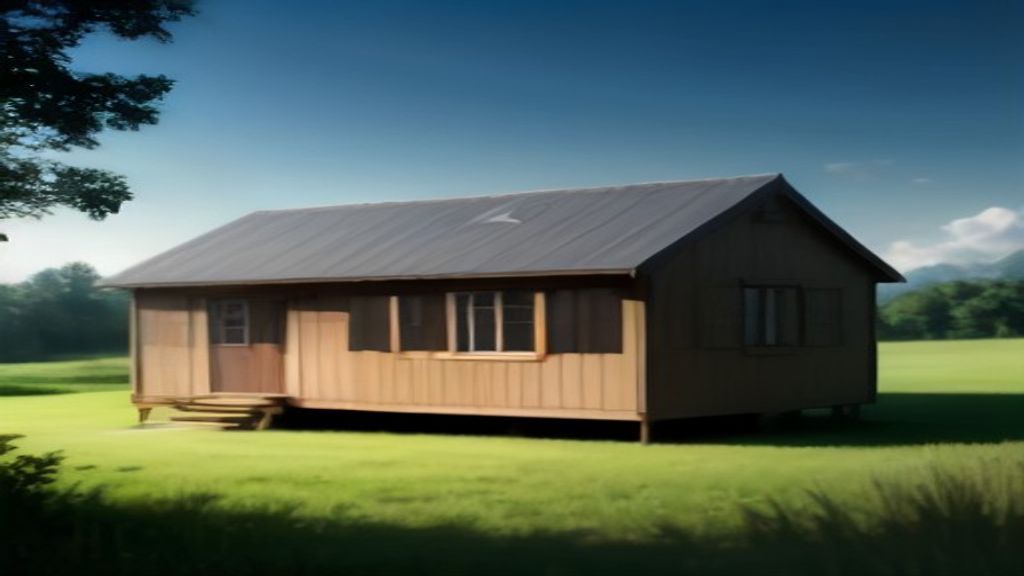
Finding a Mobile House That Fits Your Budget and Lifestyle
You’re not just hunting for a roof you can park; you’re looking for a place that respects the money you’ve set aside and the way you live. The right mobile home can feel like a custom‑built nest without the price tag of a traditional house. Below are the first two steps that turn that vague idea into a concrete plan you can act on.
1. Set a Realistic Budget – How Much Can You Afford?
Before you scroll through listings, nail down the ceiling you’re comfortable living beneath.
- Identify your price ceiling. Start with the amount you could comfortably finance each month. Include the principal, interest, and a modest buffer for unexpected repairs.
- Don’t forget the extras. Property taxes (often based on the home’s assessed value), homeowner’s insurance, and the cost of a permanent or semi‑permanent site can add 10‑20 % to the sticker price.
- Account for hidden fees. Many parks charge monthly lot rent, utilities setup fees, and occasional “move‑in” charges. Ask the seller or park manager for a written breakdown.
Tools to help you budget
- Online calculators from the Department of Housing and Urban Development (HUD) let you plug in loan amount, interest rate, and term to see a realistic monthly payment.
- Spreadsheets (Google Sheets or Excel) let you track one‑time costs—like a title search or a pre‑move inspection—versus recurring expenses.
- Mortgage pre‑approval from a lender familiar with manufactured homes can give you a hard number and signal seriousness to sellers.
A practical example: Jane, a nurse in Ohio, set a $150 k cap. After adding $1,800 annual tax, $900 insurance, and $150 monthly lot rent, her monthly outflow settled at about $1,200. That figure guided every home she considered, keeping her from falling in love with a $180 k unit that would have stretched her budget thin.
2. Define Your Lifestyle Priorities – Space, Mobility, and Amenities
Your day‑to‑day routine determines the “must‑haves” that separate a suitable mobile home from a compromise.
- Bedrooms and layout. If you work from home or have a growing family, a double‑wide with a dedicated office nook may be essential. Solo travelers often find a single‑wide with a loft perfectly adequate.
- Yard and outdoor space. Some parks allow you to lease a small lot for a garden, while others restrict any personal landscaping. If you love barbecues or pets, confirm the park’s rules before you buy.
- Proximity to work or recreation. A 15‑minute commute can dramatically improve quality of life. Similarly, being near schools, medical centers, or hiking trails can tip the scales when two homes share a similar price.
Real‑world scenario
Mark, a freelance photographer living in Texas, needed a mobile home that could double as a studio. He prioritized a wide‑open floor plan, high ceilings, and a large front porch for natural light. After listing his priorities, he quickly eliminated several single‑wides and focused on double‑wides that offered a “studio‑ready” layout—saving months of needless viewings.
Quick checklist for your lifestyle audit
- Space: How many bedrooms? Do you need a separate office or hobby room?
- Mobility: Will you move the home later? Single‑wides are easier to relocate.
- Amenities: Desired kitchen appliances, bathroom fixtures, or smart‑home features?
- Community vibe: Do you prefer a quiet senior community, a bustling family park, or a rural lot with more privacy?
By spelling out these priorities, you transform a vague wish list into a focused search that aligns with both your budget and how you spend your days. The next step—choosing the right type of mobile home—will become a matter of matching these criteria to the available options.
3. Choose the Right Type of Mobile Home for Sale
When the budget and lifestyle audit are solid, the next decision is size.
- Single‑wide units (typically 14–22 ft wide) are the most affordable and easiest to tow. They work best for retirees, solo professionals, or anyone who values simplicity over expansive square footage.
- Double‑wide homes (24–32 ft wide) unfold into two sections that lock together on‑site, delivering a layout comparable to a small cottage. Families with kids, home‑based entrepreneurs, or people like Mark who need a studio‑ready floor plan usually gravitate toward this class.
- Triple‑wide models add a third section, producing a truly spacious interior—think multiple bedrooms, a dedicated office, and even a separate guest suite. Because the price and moving logistics rise sharply, they’re sensible for those who plan to stay put long‑term or who want a mobile version of a traditional house.
A new build mobile home can be a game‑changer: factory‑finished interiors, modern energy‑efficiency standards, and warranty coverage often come bundled. If you’re eyeing a fresh‑off‑the‑line unit, compare the cost of a new build double‑wide against a used single‑wide with similar square footage; the former may actually save you on repairs and upgrades down the road.
Quick match‑up guide
| Lifestyle need | Ideal type | Why it fits |
|—————-|————|————|
| Minimal upkeep, easy relocation | Single‑wide | Light weight, lower transport fees |
| Growing family, need separate zones | Double‑wide | Flexible floor plan, room for kids |
| Home office + guest space | Triple‑wide | Extra sections create dedicated areas |
By aligning your must‑haves with the structural realities of each class, you’ll eliminate many “almost right” options before you ever step foot in a showroom.
4. Scout Ideal Locations – Where to Find Mobile Homes That Fit Your Life
Location dictates more than commute time; it determines utility hookups, community rules, and even resale potential. Start by mapping the three most common settings:
- Community parks – Managed by a homeowner association, these parks often provide water, sewer, and electricity for a monthly fee. They’re perfect for retirees or anyone who enjoys a social atmosphere and shared amenities like a pool or clubhouse. Before signing, verify the park’s zoning allowances—some restrict the maximum width of a home, which could rule out a triple‑wide.
- Rural lots – Buying land outright gives you full control over the home’s placement, landscaping, and future expansion. However, you’ll need to arrange private well water, septic service, and possibly a generator. Rural locations shine for those who value privacy, garden space, or a weekend‑escape vibe; in fact, many buyers treat these sites as holiday homes for sale, using the mobile home as a seasonal retreat.
- Urban zones – Some municipalities now permit mobile homes on small parcels within city limits, especially where affordable housing is a priority. The trade‑off is tighter spacing and stricter building codes, but the payoff can be a short commute and close proximity to schools, medical centers, and cultural hubs.
When scouting, blend online tools with on‑the‑ground research. Set up alerts on popular marketplaces for “mobile home for sale near [city]” and filter by “new build” to catch freshly manufactured units that may qualify for local incentives. Then, schedule site visits to assess the neighborhood vibe—listen to resident conversations, check traffic patterns, and note any upcoming development plans that could affect your peace of mind.
Location‑scouting checklist
- Confirm zoning permits the desired home width (single‑wide vs. double‑wide).
- Identify utility providers and estimate hookup fees.
- Ask the park or municipality about future expansion or rezoning possibilities.
- Evaluate nearby amenities: grocery stores, schools, medical facilities, and recreation spots.
By marrying your lifestyle priorities with the practical realities of each setting, you’ll pinpoint a spot where the mobile home not only fits your budget but also enhances the way you live—whether that’s a quiet rural oasis, a friendly park community, or a bustling urban enclave.
As you finalize your search for the perfect mobile house for sale, remember that finding the right fit is just the beginning of an exciting journey. By taking the time to set a realistic budget, define your lifestyle priorities, and navigate the often complex world of mobile home sales, you’re not just investing in a house – you’re investing in a lifestyle that offers the unique blend of freedom, affordability, and community that only mobile homes can provide. With the knowledge and tools you’ve gathered, you’re now empowered to make informed decisions that will serve you well for years to come. As you look to the future, envision the possibilities that your new mobile home will bring – from spontaneous road trips to quiet nights at home, surrounded by the people and things you love. And when you’re ready to take the next step, start by exploring your local market, reaching out to mobile home experts, and imagining the endless possibilities that await you in your new home.
Also Read: How to Spot High-Return Luxury Real Estate for Sale in 2024