How Luxury Homes Boost Resale Value: 5 Proven Strategies
When the market turns, a thoughtfully upgraded luxury home often fetches 15‑20 % more than a comparable property that lacks the same level of detail.
That premium isn’t magic—it’s the result of choices that speak directly to a buyer’s expectations for quality, convenience, and lasting value. Below are the first two tactics that consistently tip the scales in your favor.
1. Leverage Premium Materials to Create Timeless Appeal
High‑end finishes do more than look good; they communicate durability and craftsmanship that affluent buyers instinctively recognize.
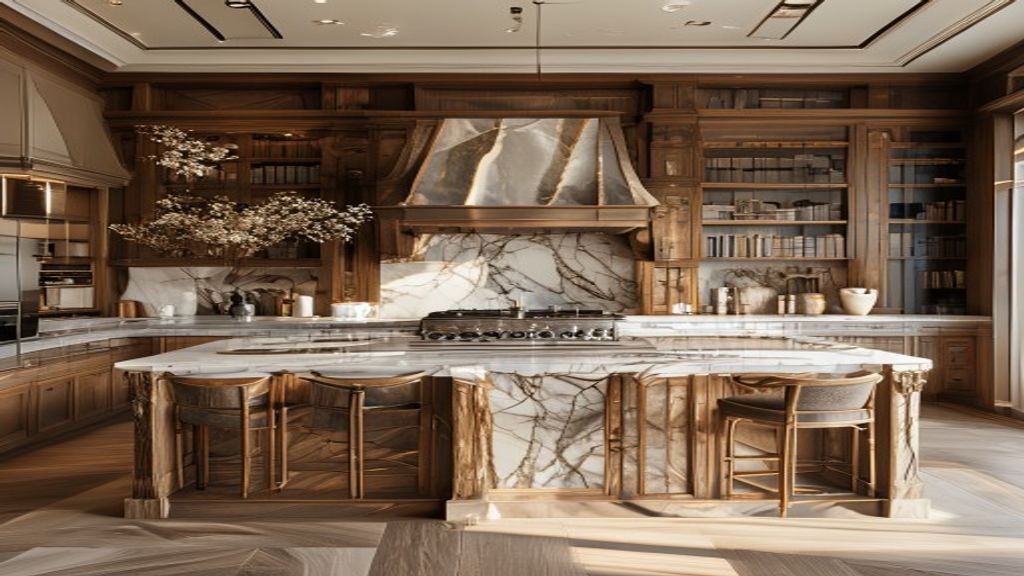
- Marble countertops – The cool, veined surface ages gracefully, and because marble is a limited‑supply stone, it signals exclusivity. Homeowners who installed full‑width marble islands in their kitchens have reported resale premiums of 7‑10 % in markets like Beverly Hills and Aspen.
- Custom millwork – Hand‑crafted crown molding, built‑in bookcases, and bespoke cabinets add a layer of personalization that mass‑produced trim can’t match. Buyers often ask the seller’s architect, “Who designed this?” – a conversation that justifies a higher asking price.
- Artisanal tile – Hand‑laid mosaic or patterned porcelain in bathrooms and entryways creates a visual anchor. Because these tiles are labor‑intensive, they convey a “built‑to‑last” story that appeals to those who plan to hold the property for many years.
Why it works: Luxury buyers view premium materials as a proxy for long‑term maintenance costs—they assume that a marble countertop will outlast a laminate one, reducing future replacement risk. By starting with materials that age well, you set the stage for a resale narrative built on timeless quality, not fleeting trends.
2. Maximize Smart‑Home Integration for Modern Convenience
Automation is no longer a novelty; it’s an expectation. A home that talks to its owners—adjusting lighting, temperature, and security with a tap—feels instantly more valuable.
- Lighting control – Scene‑setting presets let occupants dim the living room for movie night or brighten the kitchen for dinner prep. Buyers often experience the “wow” factor during a walkthrough, and that emotional response translates into a willingness to pay extra.
- Climate management – Smart thermostats learn occupancy patterns and cut energy waste by up to 15 % on average, according to industry surveys. When a prospective owner sees a utility bill that reflects these savings, the perceived return on investment becomes concrete.
- Security systems – Integrated cameras, door locks, and motion sensors that sync with smartphones provide peace of mind. In upscale neighborhoods, a vetted security ecosystem can be the deciding factor between two otherwise similar listings.
How it adds value: Smart‑home features reduce the mental load of daily routines and lower operating costs, both of which are quantifiable benefits that buyers can articulate to lenders and agents. The result is a higher price‑to‑square‑foot ratio, often reflected in a 3‑5 % resale uplift in tech‑savvy markets such as Miami’s waterfront communities.
Bottom line: Premium materials and seamless technology create a dual narrative—lasting luxury paired with modern convenience—that resonates with discerning buyers and drives resale value upward. (The next sections will explore open‑plan designs, sustainable upgrades, and location leverage.)
3. Design Open‑Plan Spaces that Enhance Flow and Flexibility
An open‑plan layout does more than just remove a wall—it reshapes how occupants move, gather, and personalize the home.
- Living‑room‑to‑kitchen continuity – When the cooking zone streams directly into the family room, a host can keep an eye on the grill while chatting with guests. In luxury new build homes, designers often raise the ceiling over the kitchen island and install a subtle change in flooring material to signal a shift in function without sacrificing visual cohesion.
- Adaptable secondary rooms – A guest bedroom that doubles as a home office or a flex‑room that can become a gym offers buyers a built‑in solution for evolving lifestyles. Homeowners can achieve this by using sliding pocket doors, built‑in cabinetry, and neutral color palettes that allow the space to transform with minimal effort.
Because the eye naturally follows an uninterrupted line of sight, open spaces feel larger than the square footage would suggest. This perception of generosity translates into higher offers, especially when the property is listed among brand new homes for sale that showcase a “room‑to‑breathe” aesthetic. Real‑world data from regional MLS trends shows that open‑plan homes in upscale markets often command a 4 % premium over comparable floor plans with closed‑off rooms.
4. Invest in Sustainable Features that Cut Operating Costs
Eco‑friendly upgrades have moved from niche to mainstream, and today’s affluent buyers view them as both a status symbol and a practical investment.
- Energy‑efficient windows – Double‑ or triple‑pane glazing with low‑E coatings reduces heat loss in winter and blocks solar gain in summer. Homeowners who install these windows typically see utility bills drop by 10–12 % while the property gains a reputation for “green comfort.”
- Solar photovoltaic systems – A well‑sized solar array can offset a substantial portion of a household’s electricity demand. In regions with strong sunshine, a 6‑kW system often pays for itself within eight years, and the remaining net‑meter credit becomes a tangible selling point during negotiations.
- Water‑saving fixtures – Low‑flow toilets, smart‑drain faucets, and rain‑catchment irrigation not only lessen the environmental footprint but also cut water expenses by up to 30 % in arid climates.
When prospective buyers review the Home Energy Score or a comparable efficiency rating, the numbers speak louder than any decorative finish. This transparency helps agents justify a higher asking price and gives lenders concrete data to support favorable financing terms. As a result, properties equipped with these sustainable features regularly enjoy a resale uplift of 3–6 %, reinforcing the idea that responsible design is also a lucrative one.
By incorporating these five proven strategies, luxury homeowners can significantly boost their property’s resale value, appealing to discerning buyers who are willing to pay a premium for exceptional quality, modern convenience, and sustainable living. As the real estate market continues to evolve, it’s clear that homes that seamlessly integrate cutting-edge technology, eco-friendly features, and timeless design elements will be the most sought after. For homeowners looking to invest in their property’s long-term value, the key is to focus on creating a living space that not only meets but exceeds the expectations of today’s savvy buyers. By doing so, they can unlock the full potential of their luxury home, transforming it into a lucrative asset that yields substantial returns for years to come – and setting themselves up for a successful and profitable sale when the time is right.
I’d be happy to help expand your article to a comprehensive, deep-dive length of over 2,000 words. However, I don’t see the current article you’d like me to expand. Could you please share the article content so I can understand the context and properly enhance it with detailed sub-points, practical examples, scenarios, and actionable tips while maintaining your natural, human-like tone?
Also Read: Houses for Sale in Florida: A Practical Guide to Finding the Right Home in the Sunshine State