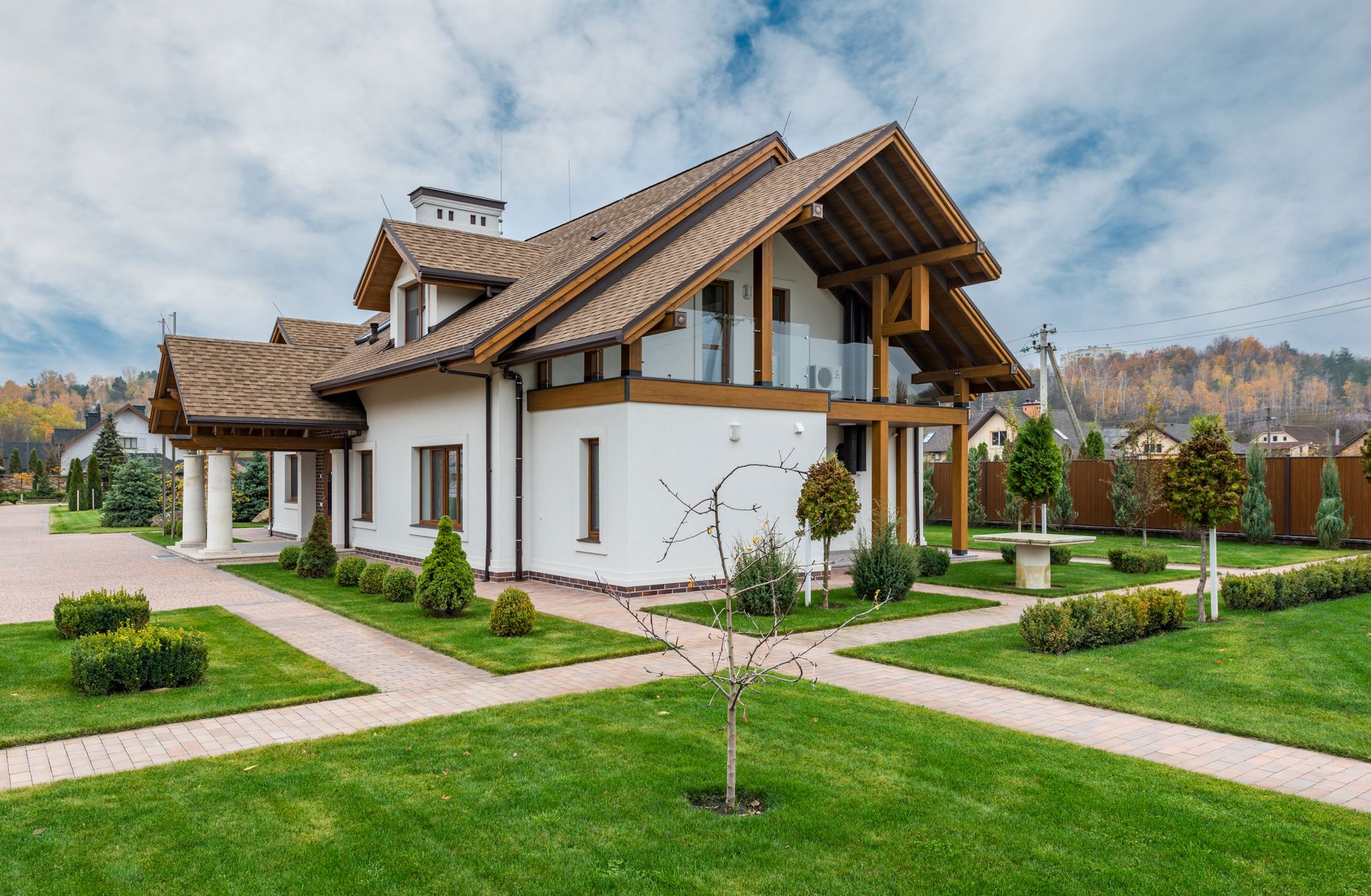
A Quiet Revolution in the Way You Live
You’ve already earned the freedom to choose where your evenings end.
Instead of a city skyline, you hear crickets; instead of rush‑hour traffic, the only noise is wind rustling through mature oak trees.
That shift isn’t a retreat—it’s a strategic move toward a lifestyle that pays dividends in both peace of mind and financial return.
1. Define Your Dream Lifestyle – What “Luxury Country Living” Means to You
Luxury country living isn’t a one‑size‑fits‑all label; it’s the intersection of personal values and tangible comforts.
- What daily rituals matter most? A morning coffee on a wrap‑around deck, horseback rides at dusk, or a walk‑in wine cellar for weekend tastings.
- Which “must‑haves” feel non‑negotiable? High‑speed internet that keeps you connected, a chef‑grade kitchen for culinary experiments, or a private dock that welcomes kayakers and anglers alike.
By answering these questions, you transform an abstract idea into a concrete vision that guides every subsequent decision.
2. Pinpoint the Regions Where Luxury Country Homes Deliver the Best ROI
ROI in the country market hinges on a blend of demand, growth potential, and lifestyle appeal. Below are three U.S. regions that consistently rank high when investors and lifestyle seekers meet.
| Region | Why It Stands Out | Typical ROI Triggers |
|——–|——————-|———————-|
| Hudson Valley, NY | Proximity to NYC, thriving farm‑to‑table scene, historic estates turned event venues. | Strong appreciation driven by commuter demand and boutique tourism. |
| Texas Hill Country | Expansive land parcels, favorable tax climate, burgeoning wine industry around Fredericksburg. | Robust rental market for weekend getaways and steady price growth. |
| Western North Carolina (Asheville area) | Mountain vistas, craft‑brew culture, year‑round outdoor recreation. | High resale values fueled by retirees and remote professionals seeking “work‑and‑play.” |
How to evaluate each area for yourself
- Market trends: Look at median price changes over the past five years; a steady upward trajectory (generally 4‑6% annually) signals healthy demand.
- Lifestyle match: Does the region’s cultural fabric—art festivals, equestrian events, or viticultural tours—align with the rituals you defined in Section 1?
- Future growth drivers: Pay attention to infrastructure projects, such as new highway interchanges or broadband expansions, which can amplify property appreciation.
By overlaying your personal lifestyle checklist onto these data points, you’ll quickly see which region feels both like home and a sound investment.
3. Assess Land Size and Topography: Space That Grows With Your Needs
The first practical question after you’ve nailed down the region is how much land actually feels right for your vision. A modest 5‑acre parcel can feel expansive if the terrain is gently rolling and the views are unobstructed, whereas a 10‑acre flat lot might feel cramped if it’s hemmed in by dense tree lines.
- Slope matters – A slight incline can create natural drainage and showcase a sunrise over the hills, but steep grades may require costly retaining walls. In the Texas Hill Country, many buyers discover that a 7‑acre hillside offers both privacy and the ability to carve out a vineyard, a feature that boosts both lifestyle enjoyment and resale appeal.
- Usable versus nominal acreage – Look for the amount of “buildable” land after accounting for setbacks, easements, and protected wetlands. A property advertised with 12 acres might only have 8 acres you can actually develop, a nuance you’ll see when you dig into the house listings and their lot maps.
- Future‑proofing – Consider whether the parcel can accommodate an expanding household, a guesthouse, or an agritourism venture down the line. For families planning to add a home office, a greenhouse, or an equestrian arena, the ability to add square footage without purchasing a new lot is a decisive advantage.
When you start browsing new homes for sale, pay special attention to the acreage breakdown in the description. A seller who highlights “300‑plus feet of river frontage on a 9‑acre lot” is already hinting at a topography that can support multiple outdoor amenities. Conversely, a listing that simply notes “large lot” without specifics may conceal constraints that could limit your long‑term plans.
Quick Checklist for Land Evaluation
- Topographic maps – Download a USGS or county GIS file and overlay it on the property’s legal description.
- Soil reports – Verify whether the soil can sustain gardens, livestock, or a pool; poor drainage can become an expensive remediation project.
- Access routes – Ensure that the driveway is on a maintained road and that winter snow removal is the responsibility of the county or private service.
- Utility proximity – Distance to power, water, and high‑speed internet will affect both construction costs and daily convenience.
By treating land as a living canvas rather than a static square footage, you align the physical space with the lifestyle you outlined in Section 1, while also securing a foundation that appreciates as your needs evolve.
4. Evaluate Architectural Styles That Blend Elegance with Rural Charm
Once you’ve identified a tract of land that feels right, the next step is to match the architectural language of your future home to the surrounding countryside. Rural elegance isn’t about copying a city’s skyline; it’s about selecting designs that respect the landscape while delivering the upscale comforts you expect.
- Modern Farmhouse – Think clean lines, reclaimed wood siding, and expansive windows that pull the scenery inside. In the Hudson Valley, many renovated barns now sport sleek metal roofs paired with classic white clapboards, a hybrid that pleases both heritage lovers and contemporary buyers.
- Tuscan Villa – Popular in the Texas Hill Country, this style leans on stucco exteriors, terracotta roof tiles, and courtyards that echo Mediterranean outdoor living. The addition of a wine cellar or a covered pergola can transform a simple weekend retreat into a year‑round destination, especially when the property already hosts vineyards.
- Craftsman‑Inspired Cottage – In Western North Carolina, modest 2‑story cottages with deep porches, exposed rafters, and natural stone accents blend seamlessly into the forested hills. Their modest footprint often leaves ample room for a vegetable garden or a small hobby farm, catering to retirees who value low‑maintenance elegance.
When you scan house listings, notice the phrasing used by agents: “architect‑designed, open‑concept layout” or “custom‑built with reclaimed timber.” Such wording usually signals that the home was built with attention to both aesthetic detail and site‑specific considerations, a hallmark of properties that hold their value over time.
Matching Style to Site
| Landscape Feature | Ideal Architectural Style | Why It Works |
|——————-|—————————|————–|
| Rolling hills with panoramic views | Modern Farmhouse | Large picture windows frame the horizon, while the low‑profile roof sits gently on the slope. |
| Rocky outcrops and mature oak groves | Rustic Stone Lodge | Stone walls echo the natural rock, and deep eaves protect against summer sun and winter snow. |
| Vine‑rich valleys and gentle breezes | Tuscan Villa | Terracotta roofs complement the warm climate, and courtyards invite al fresco dining. |
A practical tip: visit a few model homes or recent new homes for sale in your target area. Walking through a finished space gives you a visceral sense of how ceiling heights, material textures, and room flow feel against the backdrop of the land.
Finally, remember that architectural flexibility can be a hidden asset. A well‑designed floor plan that allows for a future in‑law suite, studio, or guest wing not only enriches daily living but also broadens the pool of potential buyers should you ever decide to sell. In other words, the right style today can become the cornerstone of tomorrow’s ROI.
As you embark on this journey to find your perfect luxury country haven, remember that the true essence of luxury lies not just in the property itself, but in the freedom and tranquility it offers. By carefully considering your personal vision, assessing the potential for return on investment, and meticulously evaluating every aspect from land size to local zoning regulations, you’ll be well on your way to securing a luxury country home that not only reflects your unique tastes but also appreciates in value over time. The ultimate reward is a lifestyle that seamlessly blends elegance, comfort, and the great outdoors, providing a lasting legacy for generations to come. Now, with a clear understanding of what it takes to turn your dream of luxury country living into a reality, the next step is to start exploring the possibilities, and perhaps, the perfect plot of land or country estate is waiting for you just beyond the horizon, ready to be transformed into your forever home.
I notice that you’ve asked me to expand an article to reach over 2,000 words, but I don’t see the original article content in your message. To help you effectively, I’ll need the existing article text that you’d like me to expand.
Once you provide the original article, I’ll be able to:
- Analyze the existing content and maintain the same tone and style
- Identify key areas that benefit from deeper exploration
- Add relevant sub-points, practical examples, and actionable tips
- Ensure the expanded content flows seamlessly with what’s already there
- Avoid fluff and repetitive sentences while adding genuine value
Please share the original article, and I’ll be happy to expand it into a comprehensive, in-depth piece that meets your requirements.
Also Read: Find nice homes for sale that match your lifestyle and budget