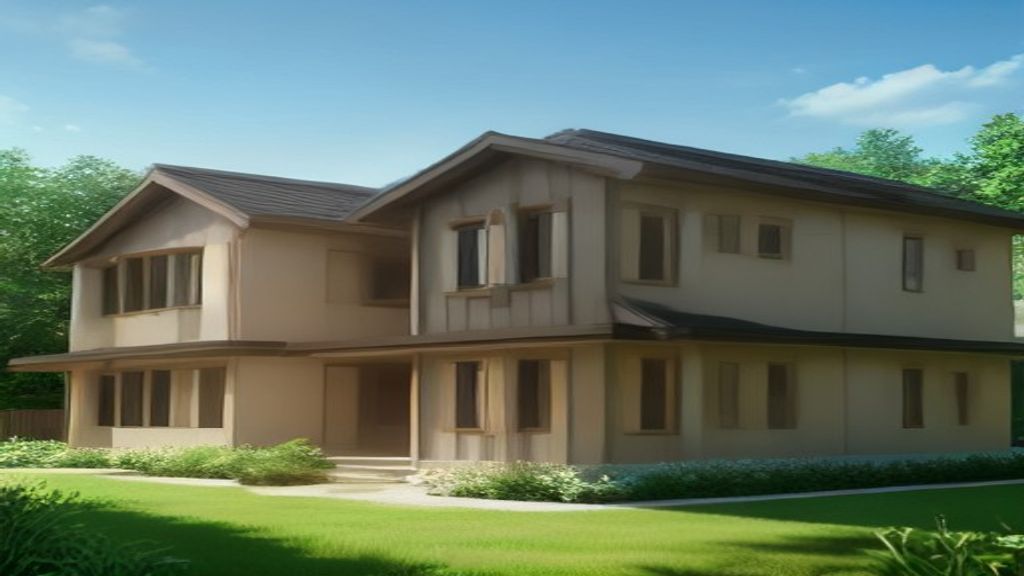
Why “Newly Built Houses for Sale” Often Offer the Best Value Right Now
If you’ve been scrolling through listings for months, the price tag on a brand‑new home might surprise you.
Unlike resale properties, freshly built houses typically come with modern systems, energy‑efficient windows, and warranties that cover the first several years—features that would cost thousands to retrofit in an older home.
Homebuyers also benefit from builder incentives that pop up when developers need to fill a phase quickly.
A modest upgrade package or a closing‑cost credit can shave a few percent off the asking price, turning what looks like a premium into genuine value.
Finally, the depreciation curve is gentler for new construction.
Because the home is already at its peak condition, you’re less likely to face unexpected repairs that erode equity soon after moving in.
Pinpoint the Neighborhoods Where Fresh Construction Is Thriving
Knowing where the action is happening lets you focus your search and avoid the “needle‑in‑haystack” grind.
- Suburban corridors with new transit links – Cities such as Austin, Charlotte, and Phoenix have seen rapid expansion along commuter rail and light‑rail lines. New subdivisions sprout up within a mile of stations, offering both convenience and long‑term appreciation.
- Revitalized downtown districts – Look for former industrial zones that have been rezoned for mixed‑use development. In places like Denver’s River North (RiNo) or Atlanta’s Westside, developers are building townhomes and low‑rise condos that command strong resale demand.
- Emerging “edge cities” – Areas on the outskirts of major metros—think the north side of Dallas or the southern periphery of Seattle—often host master‑planned communities with schools, parks, and retail baked in from day one.
Talk to the local planning department or scan the city’s comprehensive plan; those documents usually list approved projects and timelines.
A quick Google News alert for “new home construction + [city name]” can also surface recent press releases from builders eager to promote their latest phases.
By zeroing in on these hot spots, you’ll encounter homes that are not just brand‑new but also positioned for growth, meaning the investment you make today can pay off down the road.
Decode Builder Reputation: How to Vet the Developer Before You Commit
By the time you’ve zeroed in on a promising corridor, the next question is who is constructing the home. A builder’s track record often predicts the quality of the finish, the reliability of warranties, and even how quickly property house prices in that community will appreciate.
- Start with the paperwork – Verify that the developer holds a current state licence and is a member of a reputable home‑builder association. These organizations usually publish disciplinary histories and require members to adhere to a code of conduct, which gives you a baseline of accountability.
- Dig into past projects – Look for at least two completed phases that are at least three years old. Visit those neighborhoods, knock on a few doors, and ask owners about their experience with the builder’s after‑sale service. Homeowners who still enjoy their warranty coverage and report prompt repairs are strong indicators that the developer stands behind their work.
- Check financial health – A builder that has survived a market downturn is more likely to finish a project on schedule and honor promised upgrades. Credit‑rating agencies such as Dun & Bradstreet provide free snapshots of a company’s solvency; a “B‑” rating or better generally signals sufficient capital to handle unexpected cost overruns.
- Read the reviews, but filter the noise – Online forums, Google reviews, and social‑media groups can reveal recurring themes—both good and bad. Pay particular attention to complaints about change‑order pricing, as an aggressive approach to “optional upgrades” often translates into higher final costs for buyers.
- Evaluate warranty and service contracts – Most reputable builders offer a 10‑year structural warranty and a one‑year “move‑in ready” warranty covering mechanical systems. Compare the length and coverage details across developers; a shorter warranty doesn’t automatically mean a cheaper home, but it can be a red flag if the builder is trying to cut corners to keep the list price low.
When you align a builder’s reputation with the neighborhood’s growth trajectory, you’re essentially buying into a future‑proof investment. A reputable developer can lift the perceived value of a home, keeping it competitive even as ready built homes in older subdivisions begin to show age‑related wear.
Read Between the Lines of a New‑Home Listing: Hidden Costs to Watch For
Even if a new‑home listing advertises a “starter price” that seems lower than comparable ready built homes, the headline figure rarely tells the whole story. Understanding the hidden expenses can keep your budget from ballooning after you sign the purchase agreement.
Impact and development fees – Municipalities often charge impact fees to fund new roads, parks, and utilities. These charges are usually disclosed in the fine print and can add several thousand dollars per lot.
Upgrade and change‑order costs – Builders love to showcase a base model, but most buyers end up selecting finishes—like quartz countertops or upgraded appliances—that aren’t included in the advertised price. A typical “upgrade package” can range from $5,000 to $15,000, and the cost is usually added after the contract is signed.
Homeowners’ association (HOA) assessments – Many newly built communities come with HOA dues that cover common‑area maintenance, landscaping, and community amenities. While a modest $50‑$100 monthly fee seems trivial, it translates to $600‑$1,200 annually, affecting long‑term affordability.
Utility hook‑up and service charges – New construction often requires separate meter installations, water‑line extensions, and gas‑line connections. These one‑time fees are typically the buyer’s responsibility, and they can range from $1,000 to $4,000 depending on the site’s proximity to existing infrastructure.
Closing costs unique to new builds – In addition to standard lender fees, you may encounter builder‑specific closing costs such as “developer escrow fees” or “community infrastructure surcharges.” These items can add another 0.5%‑1% to the purchase price.
Insurance premiums – A brand‑new home usually qualifies for a lower homeowner’s insurance rate, but if the builder used premium‑grade materials—like a metal roof or impact‑resistant windows—your policy may reflect those higher values, nudging the premium upward.
Landscaping and exterior work – Some developers deliver a “lot‑ready” home, leaving you to handle driveway paving, irrigation, and fence installation. Budgeting $2,000‑$5,000 for these finishing touches prevents unpleasant surprises after you move in.
By tallying these items before you make an offer, you can compare the true cost of a newly built house against a ready built home that may appear pricier at first glance but includes many of these expenses already. A disciplined cost‑calculation worksheet—listing each line item and its estimated amount—helps you stay in control and ensures the deal truly represents the best value right now.
As you navigate the exciting world of newly built houses for sale, remember that the key to unlocking the best value lies in a combination of thorough research, strategic planning, and savvy decision-making. By understanding the nuances of the market, pinpointing thriving neighborhoods, and decoding builder reputation, you’ll be well-equipped to make an informed purchase that meets your needs and budget. With the right approach, you can leverage incentives, negotiate effectively, and secure a dream home that offers long-term savings and a strong potential for return on investment. Now, armed with the insights and expertise to make a smart purchase, the next step is to turn your vision into reality – start exploring the newly built houses for sale in your desired neighborhood, and get ready to turn the key to a home that perfectly blends your lifestyle, preferences, and financial goals.
I’d be happy to help expand your article to a comprehensive 2,000+ word piece with deep, practical value. However, I notice you haven’t provided the current article that needs expanding.
To give you the best possible expansion that maintains your original tone and context while adding substantial value, could you please share the existing article? Once I have the original content, I can:
- Analyze the current structure and identify natural expansion points
- Add highly relevant sub-points with concrete examples and practical scenarios
- Include actionable tips that directly benefit readers
- Ensure the expanded content flows seamlessly with your existing text
- Reach the target word count while avoiding filler and maintaining a natural, human-like tone
Please share the article, and I’ll expand it into the comprehensive, deep-dive piece you’re looking for.
Also Read: How to Choose Luxury Country Homes That Boost Your Lifestyle and ROI