Introduction – Why “Expensive” Isn’t Always Equal to “Worthwhile”
You’ve walked through a marble‑faced foyer, admired a panoramic city view, and felt the price tag tug at your wallet. Yet, not every listing that flashes a seven‑figure price truly delivers lasting value. The real challenge lies in separating show‑stopper prestige from speculative hype. Below you’ll learn how to read between the lines of pricey listings and walk away confident that the home you choose is an investment, not a gamble.
1. Decode the Price Tag: What “Expensive” Really Means in Today’s Market
- Relative, not absolute. An “expensive” home in a midsize suburb might cost less than a modest condo in a downtown core. Context matters more than the raw number.
- Market momentum. In neighborhoods where inventory is scarce, sellers often price above market value, banking on buyer urgency. Look for recent comparable sales (capped‑off comps) to gauge whether the asking price reflects genuine scarcity or just hype.
- Inflation of amenities. Features like a private cinema or a wine cellar can inflate price dramatically, but they don’t always translate to resale strength. Ask yourself: would the next buyer value that space as highly as you do?
> Quick tip: Pull the last 12 months of sales data for the zip code. If the average price per square foot has risen less than 5 % while the listing you’re eyeing is 20 % above that benchmark, the premium may be more perception than substance.
2. Spot the Quality Signals: Architectural Details That Signal Long‑Term Worth
When the façade is solid, the interior usually follows suit. Here are the hallmarks that usually survive market cycles:
- Proportions and symmetry. Classic, well‑balanced designs—think Georgian columns or mid‑century modern rectangles—tend to age gracefully. Asymmetrical quirks can be charming, but they often limit future buyer pools.
- Roofing and envelope integrity. A standing‑seam metal roof, slate tiles, or recently replaced high‑grade shingles are red flags for durability. Leaky roofs are the silent wealth eroders of luxury properties.
- Window quality. Double‑ or triple‑pane, low‑E glass set in durable frames (fiberglass or powder‑coated aluminum) indicates both energy efficiency and long‑term performance.
- Craftsmanship cues. Hand‑fitted stonework, custom millwork, and seamless transitions between indoor and outdoor spaces usually signal a builder who cared about detail, not just square footage.
Why these matter: A home built on a foundation of sound architecture tends to retain value even when style trends shift. Conversely, a flashy façade covering shoddy construction can hide costly repairs that will surface the moment the first owner moves on.
Next steps: Use the checklist above during your next tour of expensive homes for sale. Spotting these quality signals early will save you time, money, and a lot of post‑purchase headaches.
3. Location Matters: Neighborhood Traits That Turn Luxury Into an Investment
A stunning façade can only do so much if the surrounding pocket lacks growth potential. When you walk the block of an expensive houses for sale, ask yourself three simple “what‑if” questions:
- What’s the long‑term demand?
* Look for school districts that consistently rank in the top 10 of the state; families with deep pockets often prioritize education over price.
* Check recent rezoning filings—if a municipality has approved mixed‑use development nearby, you may soon see boutique shops, upscale restaurants, and even transit upgrades that boost curb appeal.
- What amenities already exist, and what’s on the horizon?
* Proximity to high‑end grocery stores, country clubs, and cultural venues (think art galleries or performance halls) signals a neighborhood that attracts affluent buyers.
* Green‑space is a silent value driver. A property bordering a well‑maintained park or a waterfront promenade typically commands a premium because it adds both lifestyle and resale leverage.
- What is the fiscal health of the area?
* Municipalities with stable or rising property tax revenues usually have the budget to maintain roads, public safety, and schools—factors that keep a community desirable.
* Conversely, a city that’s been forced to cut services due to a shrinking tax base can erode the perceived exclusivity of even the most polished nice homes for sale.
Real‑world snapshot – In the Pacific Northwest, a family bought a 4,200‑sq‑ft historic estate in a once‑industrial district. Within five years, the city approved a light‑rail line and a tech campus nearby, pushing median home values up 30 %. The buyer’s initial “luxury‑only” mindset turned into a solid investment because the location’s fundamentals shifted dramatically.
Action tip – Pull the latest census data, school performance reports, and city council minutes before your next showing. Jot down any upcoming infrastructure projects; they’re the hidden levers that can turn a beautiful home into a wealth‑building asset.
4. Beyond Square Footage: How Layout, Light, and Flow Boost Property Value
Once you’ve confirmed the neighborhood’s strength, the interior layout becomes the next decisive factor. A 5,500‑sq‑ft floor plan can feel cramped if rooms fight for natural light, while a cleverly arranged 4,800‑sq‑ft home may feel spacious and airy. Here’s how to evaluate the subtle qualities that matter most:
- Spatial hierarchy – Premium homes often place public areas (living room, kitchen, dining) on the main level, while private retreats (master suite, study) sit a floor up. This separation respects privacy without sacrificing connectivity.
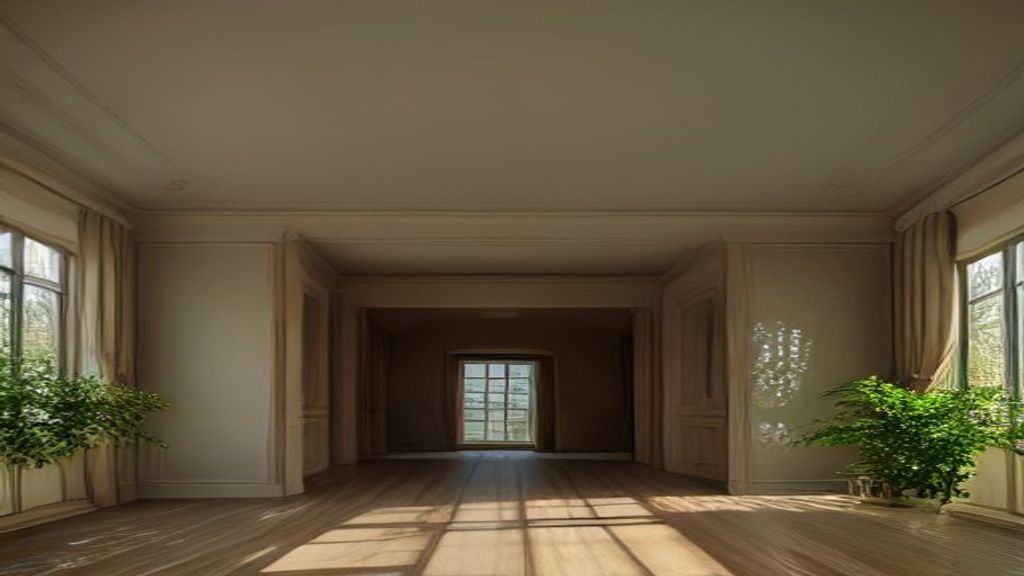
- Window placement & daylight harvesting – South‑facing windows that capture sunrise and sunset not only lower energy costs but also create a sense of openness. Look for floor‑to‑ceiling glazing that frames views of the garden or city skyline; it’s a hallmark of homes designed to sell on experience, not just square footage.
- Flow and circulation – A well‑designed plan allows a single‑handed walkthrough from the front entrance to the backyard, without back‑tracking through the same space. Notice whether the traffic pattern feels intuitive—if you can move from the kitchen to the patio while entertaining guests, the layout is working for you.
- Room flexibility – Modern buyers appreciate rooms that can adapt—think a home office that doubles as a guest suite, or a bonus room that can become a home theater. Flexibility future‑proofs the property, ensuring it remains relevant as lifestyle needs evolve.
Case in point – A coastal property listed as an “expensive houses for sale” featured a split‑level design with a central atrium. The atrium flooded the interior with daylight, allowing the lower‑level media room to feel as spacious as the upstairs lounge. Because the floor plan accommodated both formal entertaining and casual family life, the home sold for 12 % above the neighborhood median.
Quick checklist for your next tour
- Sketch the primary traffic flow; does it feel natural?
- Count the number of rooms that receive direct natural light.
- Identify any “dual‑purpose” spaces and imagine how you’d use them.
- Verify that the master suite is removed from high‑traffic zones.
If the answers line up, you’ve likely found a home where layout, light, and flow work together to amplify value—proof that good design can be just as profitable as premium construction.
Also Read: Save 20% While You Build a House: Practical Budget Hacks