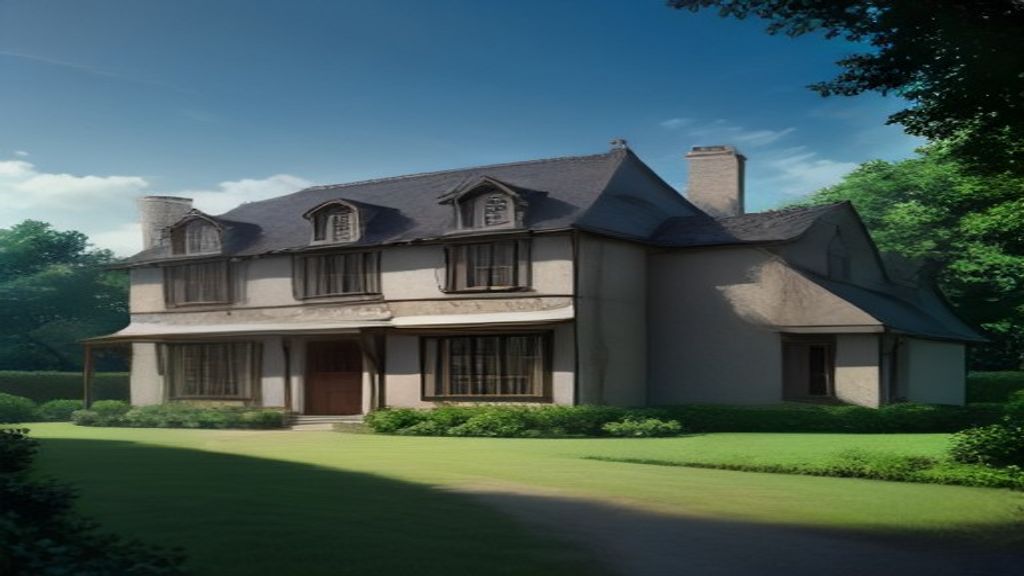
Introduction – Why “Posh” Isn’t Just a Word, It’s a Strategy
Ever stood on a balcony, felt the city hum below, and thought, that could be my next home? That moment is more than a daydream—it’s the first data point in a disciplined, high‑end property hunt. The right posh house does double duty: it fits your lifestyle like a custom suit and, when you play it smart, it pays you back in equity and enjoyment.
1. Map Out the Hot Zones: Where Posh Houses Yield the Best Returns
A “hot zone” isn’t just a trendy zip code; it’s a convergence of demand, scarcity, and future growth.
- Economic anchors – neighborhoods anchored by tech hubs, finance districts, or top‑rated schools tend to outpace inflation. For example, the North Loop in Dallas saw a 7 % annual price appreciation after the city attracted several Fortune 500 headquarters.
- Lifestyle magnets – waterfronts, walkable downtowns, and gated communities attract buyers who value convenience as much as prestige. The Hudson River waterfront in NYC consistently commands a premium because residents can walk to cafés, cultural venues, and ferry terminals in under ten minutes.
- Supply constraints – areas with strict zoning or limited developable land create natural scarcity. In Scottsdale’s Desert Ridge, the city’s cap on new luxury lot sizes has kept inventory tight, driving resale prices upward each year.
When you overlay these factors on a map, the sweet spots emerge—places where a posh home not only feels right today but also promises a solid return tomorrow.
Quick checklist for spotting a hot zone
- Is there a growing employment base within a 30‑minute commute?
- Are amenities (schools, dining, cultural venues) within walking distance?
- Does the municipality enforce development limits that protect existing luxury inventory?
2. Decode Property Specs: Features That Define True Luxury Posh Houses
Luxury isn’t just about square footage; it’s the sum of thoughtfully curated details that elevate everyday living.
- Architectural pedigree – homes designed by renowned architects or built with timeless styles (mid‑century modern, Georgian revival) signal lasting appeal. A Frank Lloyd Wright‑inspired residence in Pasadena, for instance, often retains its value because the design itself is a collector’s item.
- Premium materials – marble countertops, hardwood floors sourced from sustainable forests, and custom millwork convey durability and status. Buyers frequently cite the feel of a handcrafted Italian cabinetry set as a non‑negotiable feature.
- Smart‑home integration – integrated lighting, climate control, and security systems that can be managed from a phone add convenience and future‑proof the property. In a recent case study, a Beverly Hills estate upgraded to a unified home‑automation platform and saw a 3 % bump in resale price within two years.
- Entertainer‑ready spaces – expansive kitchens, outdoor kitchens, wine cellars, and flexible guest suites cater to the social lifestyle many luxury buyers expect. A San Francisco hillside villa that included a rooftop deck with a fire pit became the go‑to venue for neighborhood gatherings, reinforcing its community cachet.
Understanding these specs helps you separate “posh” from “pretend.” It’s the difference between a home that impresses at first glance and one that continues to delight long after the moving trucks leave.
Key spec‑focus list
- Design provenance – architect, style, and era.
- Material quality – sources, warranties, and maintenance histories.
- Technology depth – system integration and upgradability.
- Entertaining capacity – indoor/outdoor flow, ancillary spaces.
By zeroing in on these elements, you’ll know exactly why a particular house feels right for you—and why it’s poised to hold—or even increase—its value.
3️⃣ Decode Property Specs: Features That Define True Luxury Posh Houses
Beyond the headline‑grabbing amenities, the DNA of a genuine luxury home lives in the details that most buyers never see, but that ultimately dictate durability, resale strength, and day‑to‑day enjoyment.
- Design provenance – A residence signed by a recognized architect (think Frank Lloyd Wright‑era modernist or a contemporary “starchitect”) instantly earns a pedigree premium. Even when the façade appears modest, the floor‑plan often hides hidden circulation, double‑height ceilings, or bespoke spatial sequencing that only seasoned eyes spot.
- Material quality – Marble sourced from Carrara, reclaimed hardwood from a historic New York brownstone, or a 30‑year‑old roofing membrane with transferable warranty are more than flash; they lower long‑term maintenance costs and reassure future buyers that the house was built to endure.
- Technology depth – Integrated home‑automation platforms that allow you to pre‑heat the pool, adjust shading on south‑facing glass, or grant temporary access codes to house‑sitters demonstrate both convenience and resale appeal. Systems that are modular and upgradable prevent obsolescence—think a Schneider‑Electric KNX backbone that can later host newer AI‑driven routines.
- Entertaining capacity – An open‑plan kitchen that flows onto a covered patio, a secondary “chef’s pantry,” and a flexible guest suite (with a private bathroom and walk‑in closet) signal that the home can host everything from intimate dinner parties to full‑scale charity galas.
When you walk through a property, ask yourself: Do the finishes speak to a specific, reputable source? Is the technology framework built for today and tomorrow? Does the layout support the social rhythm I envision? Answering these questions helps you separate luxury real estate for sale that merely looks opulent from the ones that truly deliver lasting value.
4️⃣ Crunch the Numbers: Calculating ROI on High‑End Posh Houses
Now that the specs have passed the “wow” test, it’s time to let the spreadsheet speak. ROI on a posh house isn’t just about the purchase price; it’s a blend of cash flow, appreciation potential, and tax efficiency.
- Establish the baseline cash flow
– Gross rental potential – Research comparable luxury rentals in the same zip code. A waterfront condo in Miami, for instance, might command $9,500 per month in a peak season.
– Operating expenses – Include property‑management fees (often 5‑7 % of rent), high‑end insurance, and HOA dues. Luxury homes typically incur higher utility and landscaping costs; budgeting 30‑35 % of gross rent is a safe rule of thumb.
- Calculate Net Operating Income (NOI)
[
text{NOI} = text{Gross Rental Income} – text{Operating Expenses}
]
Using the Miami example: $114,000 annual rent – $38,000 expenses ≈ $76,000 NOI.
- Determine the capitalization rate (Cap Rate)
[
text{Cap Rate} = frac{text{NOI}}{text{Purchase Price}}
]
If the property sold for $2.2 million, the cap rate sits around 3.5 %, which aligns with the lower‑end range for ultra‑prime markets but can be offset by strong appreciation trends.
- Project appreciation – Look at historic price growth for the neighborhood’s luxury homes. In many coastal enclaves, a 4‑6 % annual appreciation has been the norm over the past decade. Applying a 5 % growth to the $2.2 million price tag yields roughly $110,000 added equity after one year.
- Factor in tax benefits – Depreciation on a high‑value structure can shelter a sizable portion of rental income. For a $2 million building (excluding land), the IRS allows 27.5 years of straight‑line depreciation, equating to $72,727 annually—potentially reducing taxable cash flow dramatically.
Quick ROI snapshot
| Metric | Amount |
|——–|——–|
| Purchase Price | $2,200,000 |
| Annual NOI | $76,000 |
| Cap Rate | 3.5 % |
| Expected Appreciation (1 yr) | $110,000 |
| Tax‑shield (Depreciation) | $72,700 |
| Total Year‑One Return | ≈ 8.5 % |
Even with a modest cap rate, the combination of rental cash flow, appreciation, and tax shields can push the effective return well into double‑digit territory—exactly the sweet spot many investors chase when hunting luxury homes on the market.
The key takeaway? Don’t rely solely on headline rent numbers; dissect each component of the cash‑flow equation, overlay realistic appreciation forecasts, and let tax planning amplify the bottom line. When you do, the math will confirm whether the property is a glamorous lifestyle purchase, a savvy investment, or—ideally—both.
I’d be happy to expand your article to reach a comprehensive 2,000+ words with deep, practical value! However, I don’t currently see the article that needs to be expanded.
Could you please share the existing article content? This will allow me to:
- Maintain the same natural tone and style
- Expand on specific sections that would benefit most from deeper exploration
- Ensure all additions are relevant and valuable to the topic
- Keep the narrative flowing seamlessly with the original content
Once you provide the article, I can begin expanding it with substantive content, practical examples, actionable tips, and comprehensive explanations that truly benefit readers without adding fluff or repetitive filler.