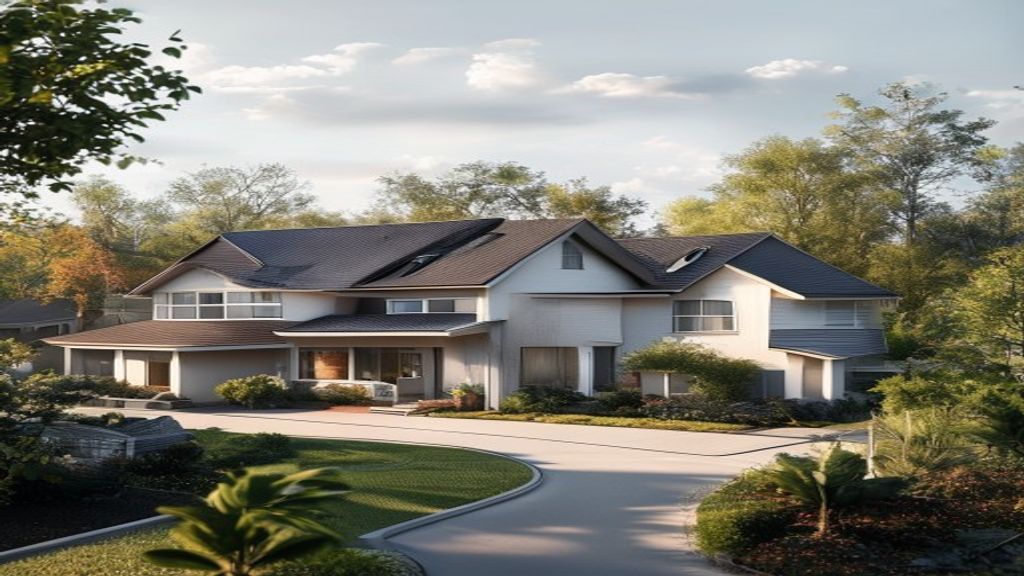
Opening the Door Faster Than You Thought Possible
You’ve just found a newly built home that ticks every box—modern floor plan, fresh paint, and a backyard that looks ready for weekend barbecues. Yet the biggest surprise for many buyers is how quickly the paperwork can disappear. The truth is, new construction often eliminates the hidden hurdles that turn a smooth‑moving‑in day into a month‑long waiting game. Let’s unpack why that happens and where you should be looking.
1. Why Newly Built Houses for Sale Speed Up the Closing Process
- No legacy issues to untangle.
Older homes usually come with a trail of repairs, title quirks, or surprise liens. A brand‑new build arrives on the market with a clean chain of title and a builder’s warranty that already covers many structural concerns. Because there’s less “unknown” to investigate, lenders can move faster through their underwriting steps.
- Standardized contracts and timelines.
Builders typically use the same purchase agreement across their developments. That uniformity means loan officers, title companies, and inspectors already know the paperwork flow. When you sign, the clock starts ticking on a pre‑agreed schedule rather than a case‑by‑case negotiation.
- Built‑in contingencies that align with financing.
Many new‑home contracts include contingency clauses for financing, appraisal, and inspections that are specifically drafted for the builder’s specifications. These clauses are rarely “gotcha” traps; instead, they line up neatly with the lender’s requirements, shaving days off the usual back‑and‑forth.
Example: Jane bought a newly constructed townhouse in a suburban subdivision. Her lender completed the appraisal within five days because the builder’s published cost‑to‑complete report matched the appraisal model. In contrast, her friend Tom’s older home required two rounds of repairs before the appraisal could be finalized, adding three weeks to his closing timeline.
2. Spotting the Sweet Spot: Neighborhoods Where New Construction Thrives
- Growth corridors with municipal incentives.
Cities that have recently approved infrastructure upgrades—new schools, transit lines, or water mains—often grant developers fast‑track permits. Those neighborhoods tend to host multiple new‑build projects, meaning you’ll find a pool of homes ready to close quickly.
- Master‑planned communities.
These developments are designed from the ground up, with a single builder (or a coordinated group) handling everything from streets to utilities. Because the community’s groundwork is already laid, individual home closings rarely get delayed by external zoning disputes.
- Suburban “edge” zones experiencing spill‑over.
When a metropolitan area’s core saturates, developers push outward to the fringe where land is available and demand is rising. Buyers who target these edge zones often benefit from the builder’s eagerness to sell inventory, which translates into more flexible closing dates.
Real‑world tip: In the Phoenix metro area, the north‑west corridor has seen a surge of new subdivisions after the city approved a light‑rail extension. Buyers who focused on those neighborhoods reported average closing times of 30‑45 days, compared with 60‑90 days for comparable older homes elsewhere.
How to identify these hot spots
- Scan local government planning commission minutes for upcoming infrastructure projects.
- Follow builder newsletters for announcements of “phase‑one” completions.
- Use real‑estate platforms that tag listings as “new construction” and filter by “under construction” status.
By zeroing in on zones where developers are already moving the needle, you position yourself in a market that naturally accelerates the closing journey.
3. Reading the Builder’s Blueprint: Red Flags & Must‑Have Features
When a builder hands you a floor plan, it’s tempting to focus on the “wow” factor of an open‑concept kitchen or a vaulted ceiling. But the real checklist lives in the details that protect you from surprise costs and delayed closings.
Red flags to watch for
- Non‑standard construction timelines – If the builder cannot give a concrete “substantial‑completion” date, ask for a written schedule with milestones. A vague promise (“we’ll be ready soon”) often masks supply‑chain or labor bottlenecks that can push the closing well past the buyer’s target.
- Unclear warranty language – Some developers bundle the home warranty into a “maintenance package” that excludes major systems (HVAC, roof, plumbing). Verify that the warranty covers at least the industry‑standard 10‑year structural period and that the provider is a third‑party insurer, not merely the builder’s in‑house team.
- Hidden “upgrade” clauses – Builders love to list “standard finishes,” yet the contract may label premium tile or countertop as an optional add‑on. Scrutinize the specifications sheet; if a feature you assumed is “standard” appears under a separate cost line, flag it before you sign.
Must‑have features for a smooth close
- Pre‑wired smart‑home infrastructure – Modern buyers expect connectivity, and a home pre‑wired for Wi‑Fi, security cameras, and thermostat control eliminates the need for later retrofits that can stall move‑in.
- Energy‑efficiency certifications – Look for ENERGY STAR or local green‑building endorsements. They not only lower utility bills but also speed up financing, because many lenders offer faster appraisal turn‑arounds for certified homes.
- Dedicated utility hookups – A common delay in new housing developments is waiting for the municipal water or gas line to be turned on. Confirm that the builder has already secured the necessary permits and that the service connection date precedes the projected closing.
By treating the blueprint like a medical chart—identifying symptoms, diagnosing risks, and prescribing the right “treatment”—you turn a glossy brochure into a reliable roadmap. If you’re also considering rent‑to‑buy houses as a back‑up plan, keep this same level of scrutiny; the same red‑flag signs apply, only the contractual language shifts from purchase to lease‑option terms.
4. Unlocking Incentives: How Builder Promotions Cut Closing Time
Builders love to market “move‑in ready” specials, but the real value lies in how those promotions shave days—or even weeks—off the closing timeline. Understanding the mechanics behind each incentive lets you negotiate smarter and keep your schedule on track.
Common promotion types and their timing impact
- Free or discounted closing‑cost credits – When a builder offers a “$5,000 credit toward closing,” the money often goes toward title insurance, escrow fees, or prepaid interest. Because those expenses are settled early, the lender’s escrow account clears faster, compressing the typical 30‑day window.
- Accelerated construction bonuses – Some developers promise a “30‑day finish guarantee” for homes that are still in the pre‑construction phase. If the builder meets the deadline, you avoid the cascade of change‑order approvals that usually drag a project out. Verify that the guarantee is backed by a liquid performance bond; otherwise, you could be left holding a partially finished shell.
- Upgrade packages tied to a “quick‑close” clause – A limited‑time offer might include premium flooring or a kitchen appliance bundle, contingent on the buyer closing within 45 days. Since the builder must have those upgrades stocked and ready, they typically pre‑order the materials, eliminating the supply‑delay risk that slows many new housing developments.
Strategic ways to leverage these incentives
- Ask for a “closing‑timeline addendum.” Ask the builder to attach a short amendment that spells out the exact dates and penalties if either party misses a milestone. This turns a promotional promise into a legally enforceable schedule.
- Combine incentives with lender readiness. If your mortgage broker knows you’re targeting a builder’s fast‑track program, they can prioritize your file, request early appraisal appointments, and lock in an interest rate that aligns with the builder’s projected completion date.
- Use the incentive as bargaining power for additional contingencies. When you secure a closing‑cost credit, you can ask the builder to absorb a home‑inspection contingency or to provide a longer warranty period, both of which reduce the chance of post‑close disputes that would otherwise restart the timeline.
Remember, promotions are not just marketing fluff—they’re tools that, when understood and applied correctly, can transform a 60‑day closing into a 30‑day sprint. Even if you’re juggling rent‑to‑buy houses as an alternative entry point, the same principle holds: a builder’s incentive that speeds up paperwork and reduces upfront costs will always be a win‑win for anyone eager to get the keys sooner.
The journey from browsing newly built houses to turning the key in your front door transforms from a daunting process to an efficient path when armed with the right strategies. As you step into your brand-new home, you’re not just gaining a living space—you’re entering a future where modern design meets your lifestyle, where every system operates at peak efficiency, and where your closing timeline reflects the precision of the construction itself. The confidence you’ve built through understanding builder incentives, navigating financing options, and mastering inspection techniques extends far beyond closing day; it becomes the foundation of your homeownership journey. As you unpack those first boxes in your move-in ready sanctuary, remember that the same preparation and foresight that streamlined your purchase will serve you well in maintaining and enjoying your investment for years to come. Why settle for the unknown when you can step confidently into a home built just for you, ready to write your next chapter?
I’d be happy to help expand your article to a comprehensive 2,000+ word piece with deep practical value. However, I don’t see the original article content in your message.
To provide the most effective expansion that maintains your natural tone and integrates seamlessly with your existing context, could you please share the current article you’d like me to enhance? Once I can see your original content, I’ll be able to add relevant sub-points, detailed examples, practical scenarios, and actionable tips that directly benefit your readers without adding fluff or repetitive content.
Also Read: Increase Sale Profit Using Precise Residential Property Valuation